

 LOL
LOLNew Riot MMO? Studio Teases Project After Shutting 2XKO
Riot Games has revealed a new MMO, but netizens have concerns after the studio shuttered League fighting game 2XKO. Here’s everything we know.
5 Sept 20265 min
LoLboostingAfter big rule changes two months ago, Riot Games announced it has banned nearly 300,000 players for boosting in League and VALORANT.
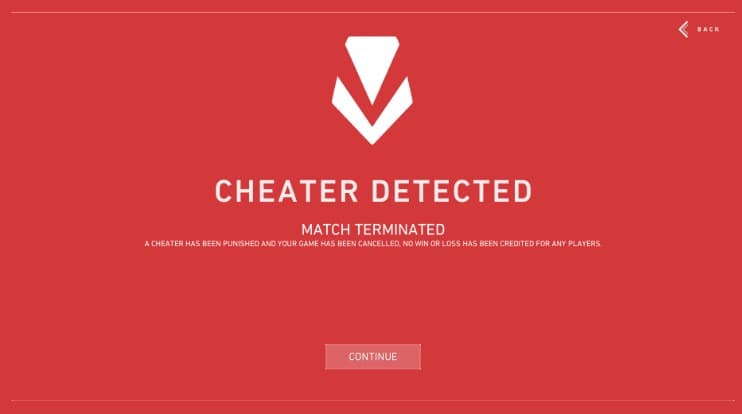
Riot Games just announced that it has banned nearly 300k accounts for boosting. Image Credits: Riot Games via in-game screenshot
Riot Games has just revealed one of its biggest ban waves yet. Nearly 300,000 accounts in VALORANT and League have received bans for boosting in the past two months. Here’s everything to know.
Boosting is a persistent issue in both VALORANT and League of Legends. The practice damages the ranked experience for other players, since it places lower skilled accounts into matches far above their actual ability. Despite years of enforcement and bans on boosting websites, the problem has remained serious throughout 2026.
In July, Riot Games took a step forward with VALORANT‘s boosting penalties. The studio heavily increased its punishments for players caught boosting and also implemented a new detection algorithm to catch them in the act.

Previously, boosting was one of VALORANT’s biggest competitive issues… and also one of its biggest industries. Players regularly paid on dedicated sites to increase their ranks, and boosters raked in tons of revenue while legitimate players struggled against smurfs.
The boosting algorithm Riot employed on VALORANT servers was reportedly a similar version to one it used for League of Legends. The team clarified:
“This is not about stopping people from playing with their friends. What we are targeting is a pattern of abuse that undermines competitive integrity. If you are playing the game normally and competing to win, queueing with friends remains completely fine.”
“As long as you are playing on your own, unshared account, and you haven’t intentionally tanked your rank to get into easier lobbies and are disrupting or manipulating ranks for your own or others’ gains, you are good to go.”
Riot’s decision to upgrade the penalties also more clearly defined the offenses. You’ll receive a punishment whether you’re boosting, getting a boost, or just tagging along in queue.
Two months later, it seems like Riot’s efforts to ban boosters are working. On September 18, Riot Games’ official account reported that the studio has banned nearly 300,000 accounts for violating its new boosting rules since they went into effect.
These include boosters (who rank up the accounts), boostees (the primary person getting a boost), and hitchikers (players who aren’t getting a boost, but still queue with and benefit from the booster’s rank).
The algorithm is running within Vanguard, Riot’s built-in anticheat system. Riot has been tight-lipped about how exactly it works, but we know the basics thanks to an explainer video. The anti-boosting program monitors rapid changes in performance. Its goal is to “identify when a high-ranked player takes over a low-ranked account.”
“Vanguard knows when a Silver player suddenly starts performing like a Radiant or a Challenger player,” the team continues.
This is one of the largest ban waves in Riot Games history. It sets a distinct precedent for the studio’s ranked moderation. In addition, it will heavily impact the external competitive ecosystem. While plenty of players boost friends for fun or to troll, enough demand exists for others to make a living out of it. Boosting rings have even been implicated in previous VALORANT Tier 2 competitive integrity allegations, with pros alleging some VCL orgs have funded themselves with boosting profits.
If players are caught boosting or hitchiking in VALORANT, the penalties can be pretty severe. Like League, they may face temporary suspensions and bans. However, VALORANT has some additional punishments. Riot states, “if you’re caught boosting or smurfing, we’ll remove the rating gained, ban the account, and return it to its original owner.”
In addition, “players caught hitchiking by queuing with smurfs will lose all ranked points gained, and the main accounts of all repeat boosters will have their earned gun buddies or chromas [removed].”
Stay tuned for more VALORANT and League of Legends news.
LOLRiot Games has revealed a new MMO, but netizens have concerns after the studio shuttered League fighting game 2XKO. Here’s everything we know.
 LOL
LOLLeague of Legends Patch 26.19 is bringing plenty of Champion nerfs, buffs, and adjustments for Worlds, plus a top lane teleport change.
 LOL
LOLHere’s everything we know so far about League of Legends boy band HEARTSTEEL’s comeback, including potential leaked skins.