

 VALORANT
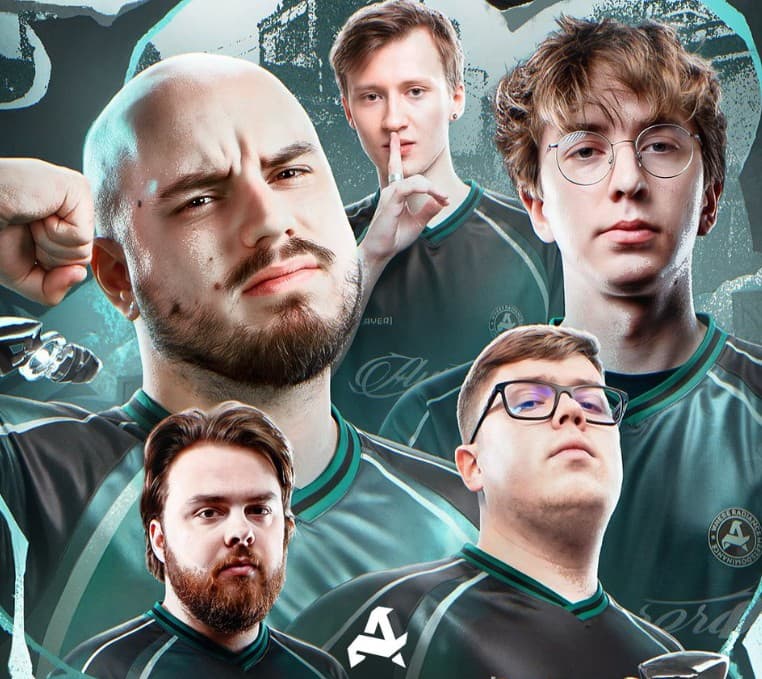
Aurora Gaming Announces VALORANT Roster: Derke, Boo, trexx
Aurora Gaming has just announced it will join the 2027 VALORANT season for the EMEA Open Qualifiers. Derke, Boo, and trexx are on the roster.
29 Oct 20263 min
ValorantTOURNAMENTAscendant checks, a two-minute stream delay and stricter oversight the further you go. Here is how Riot plans to keep the VCT 2027 Open Qualifiers clean.
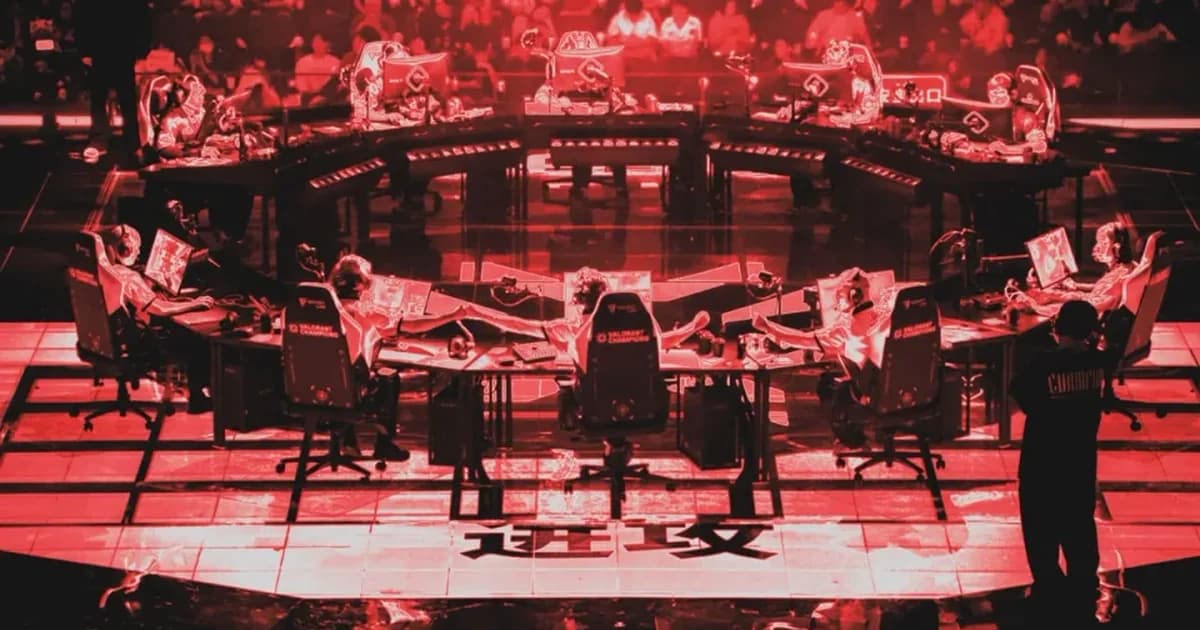
Image: Riot Games
Europe’s first Open Qualifier kicked off on November 5. On the same day, Riot published the rulebook behind it. The competitive integrity post explains how Riot plans to keep hundreds of online teams honest. It’s a lot more detailed than most expected.
The timing isn’t random. Since franchising began in 2023, open teams have never had a direct route into Kickoff like this. Online qualifiers also mean far more matches played from bedrooms instead of a stage. That’s exactly where cheaters thrive.
Riot knows the size of the problem. In the six weeks of Act 5 alone, it banned more than 171.000 cheaters from regular play. Here’s what the new VCT 2027 Open Qualifiers rules mean for the teams trying to make it.
The bar is higher than five friends and a Discord server. Under the VCT 2027 Open Qualifiers rules, every player needs a peak of Ascendant or higher in the last six months. Everyone also needs to pass Vanguard Check, Riot’s anti-cheat compliance test.
Your account has to be in good standing too. In practice, that means no active ban. It also rules out any Game Ban, Vanguard intervention, ranked restriction or comms restriction in the past 30 days. Even a comms ban for flaming a teammate could cost you a qualifier.
Regional rules add the rest, such as a minimum age of 17 in North America. Riot’s framework also requires at least three of the five starters to come from the team’s home region, with a few exceptions.
Hundreds of teams play at once, so Riot can’t put a referee in every match. Instead, it’s building the system in layers. The closer a team gets to Kickoff, the more checks it faces.
Officials can also run extra checks during a match. They can review a player’s setup, request recordings or ask a team to stream its match area live.
Riot clearly wants Open Qualifiers to feel like a community event. Players can stream their own POV, and teams can run their own multi-POV broadcasts. Every stream needs a delay of at least two minutes, though, to stop stream sniping and outside help.
Creators can co-stream player POVs as watch parties, but only after the tournament organizer approves it. Teams are also free to publish VODs and voice comms. That’s good news for creator-led teams like S0M’s streamer team, whose whole pitch depends on content.
Monitoring coaches online is hard, and Riot admits as much. In the early stages, coaches may talk to players during matches. Later in Cup qualification, Riot will monitor coach comms. The same rules the VCT uses today will apply.
Online play brings LAN-free headaches, and Riot isn’t softening them. Players are responsible for their own internet, PC and peripherals. If something breaks, report it through official channels and follow the technical pause rules in the Online Play Rulebook.
Don’t expect the whole bracket to stop for one dispute either. Riot says long delays hurt other teams in interconnected brackets, so officials will try to settle issues fast. Ping can’t be equal for everyone, but organizers will pick servers based on where the players are.
The toughest section deals with match-fixing and betting. Throwing a round on purpose counts as manipulation, even without money involved. So does a failed attempt. Refusing to cooperate with an investigation can bring the same penalty as fixing the match yourself.
The rules also reach beyond the player. Teams can face sanctions for what their owners or staff do. Players can be held liable when relatives, friends or agents help break the rules.
VALORANT has been here before. In 2025, allegations of rigged matches and cheating rocked the North American tier-two scene. Back in 2024, Riot banned xitsu of Axolotl Esports from all competition until October 2027 for match-fixing.
Roster continuity matters more than ever in 2027. A team needs at least three of its five players to stay between Open Qualifiers. Otherwise, it loses its progress and Championship Points.
Those points now appear at nearly every level, from Open Qualifiers through Kickoff, Cups and Masters. They don’t carry equal weight, though. Early points mostly help with seeding, while points from the top events decide who reaches Champions. Riot promises more details in the coming weeks.
The framework is clear, but the first round is the weakest layer. Open Qualifier matches lean on Vanguard and on enforcement after the match ends. A cheater could still win a qualifier match before anyone catches them. The post doesn’t explain how Riot would fix the bracket afterwards.
Plenty of established names are relying on that system working. Cloud9, ENVY, DRX and Nongshim RedForce all missed out on the 32 partner teams. All four plan to fight their way back through open play.
Teams can find the full regional rulebooks on Riot’s Competitive Operations site. Europe’s second Open Qualifier runs from November 12 to 15.
VALORANTAurora Gaming has just announced it will join the 2027 VALORANT season for the EMEA Open Qualifiers. Derke, Boo, and trexx are on the roster.
 VALORANT
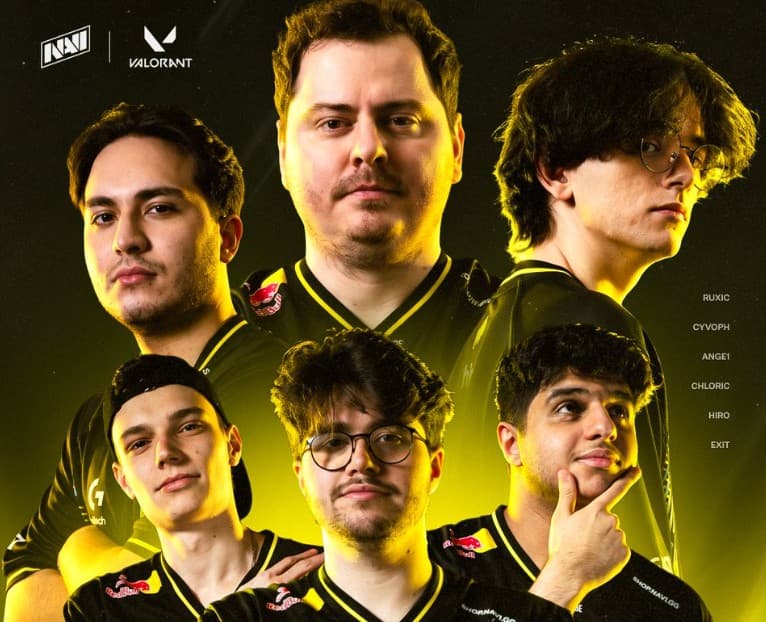
EMEA org Natus Vincere (NaVi) has released its full VALORANT roster after losing partner status ahead of VCT 2027.
 VALORANT
Twelve teams played VCT Americas in 2026. The 2027 Kickoff seats eight partners. Riot’s announcement says exactly where the difference goes, and the invite list for this bracket is going to be uncomfortable reading.