

 VALORANT
VALORANT Ranked: All Ranks, Full Guide in 2026
Here’s everything players need to know about VALORANT’s Ranked mode, including a list of all ranks and party restrictions.
3 Oct 20267 min
ValorantGUIDESHere’s an up-to-date list explaining all VALORANT Ranked queue restrictions, based on party size, rank, and more.
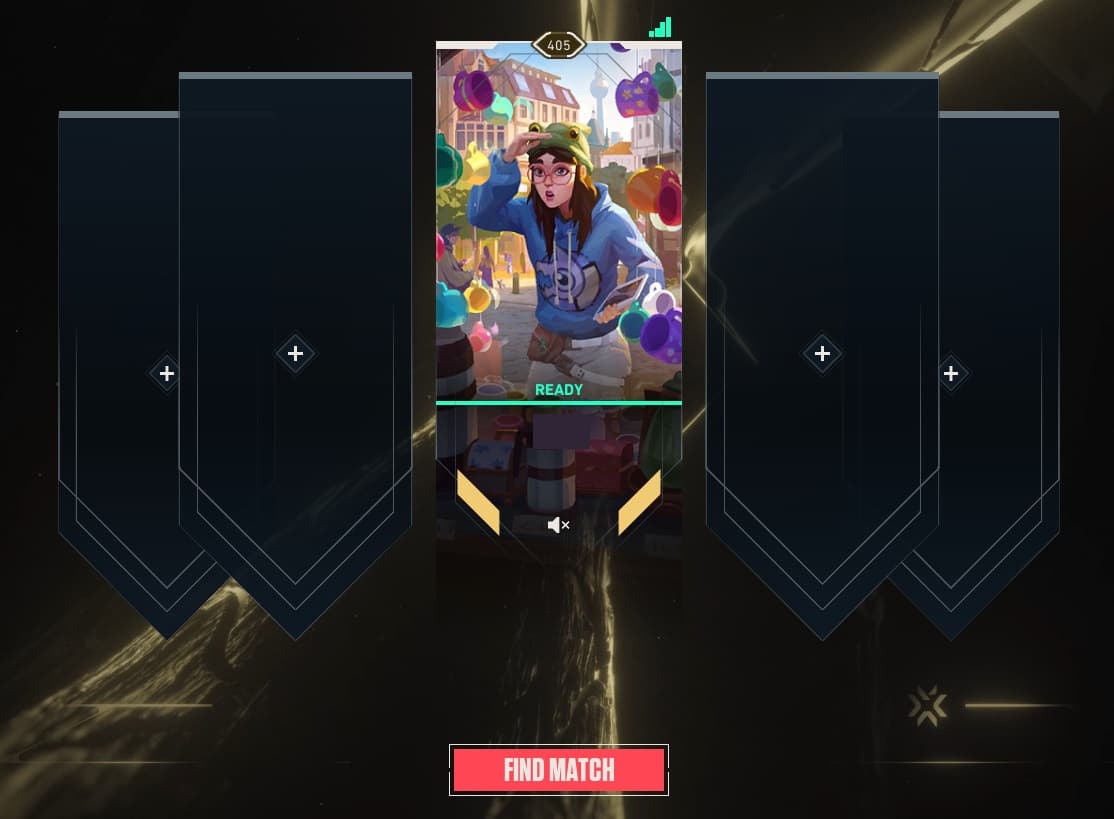
Your party size matters in VALORANT Ranked, and you can get queue restrictions if you don’t follow the rules. Image Credits: Riot Games
VALORANT’s queue restrictions exist for one simple reason. Riot wants ranked matches to stay fair, even when friends of different skill levels want to play together. As players climb higher, the rules get stricter, since bigger rank gaps have a bigger impact on match balance at higher tiers. Here’s a full breakdown of every restriction by rank, so you know exactly who you can queue with before you load into Competitive or Premier.
No. Queue restrictions only apply to Competitive and Premier VALORANT games. Unrated, Swiftplay, Deathmatch, and other casual modes stay completely restriction free, so you can group up with anyone regardless of rank.
Players in these tiers can queue with teammates up to Silver. This wide range gives newer players flexibility to play with friends who are still learning the game.
Silver players can group with anyone ranked as high as Gold. The gap stays generous here, since skill differences at this level tend to even out across a full match.
Gold players can queue with teammates up to Platinum. This is usually the last rank bracket with a looser restriction before things tighten up.
From here on, restrictions get much stricter. Players in Platinum and above can only queue with teammates one tier above or below their own rank. A Platinum 2 player, for example, could queue with someone as low as Platinum 1 or as high as Platinum 3, but nothing wider than that.
These top tiers come with the tightest rules of all. Players can only queue solo, duo, or as a full five stack. Three player and four player parties are not allowed at this level, since Riot wants to avoid unbalanced matches at the top of the leaderboard.

Five stacks skip rank restrictions entirely. If you queue up with four friends to fill a full team, your ranks can be mixed freely, no matter how far apart they are. This exception exists because a full five stack is already a controlled, intentional group, rather than a random mix of solo and duo players.
VALORANT Ranked does not allow four stacks. This is because the fifth player usually feels left out of comms, giving them an unfair disadvantage.
Rank isn’t the only thing that can limit your queue. Riot also enforces behavior based restrictions, which can temporarily lock players out of Competitive or Premier. These typically come from:
Starting in Patch 11.09, accounts in some regions also need to complete Multi-Factor Authentication (MFA) to run Ranked games.
These restrictions are separate from rank limits and apply regardless of what tier you’re in.
Queue restrictions help keep ranked matches competitive and fair for everyone involved. A wide skill gap between teammates can throw off match balance, especially in higher ranks where mechanical skill and game sense matter more. By tightening the rules as players climb, Riot keeps the ranked ladder consistent from Iron all the way up to Radiant.
For a more in-depth guide to VALORANT Ranked, check out our main article here.
VALORANTHere’s everything players need to know about VALORANT’s Ranked mode, including a list of all ranks and party restrictions.
 VALORANT
Here’s a full guide to the VALORANT Champions Shanghai 2026 Pick’Ems and their free rewards before they lock in for the Playoffs.
 VALORANT
Here’s a guide to the pros and cons of every main VALORANT Rifle, so you can pick whether the Phantom, Vandal, or Warden is best for you.