

 Dota2
Dota2Tundra Esports Leaves Dota 2: Entire Roster Joins 1win Team
Tundra leaves Dota 2 after 6 years and one TI title. Full roster including MoonMeander moves to 1win Team ahead of TI 2026 in Shanghai.
2 Jun 20267 min
Dota 2BREAKINGLGD Gaming returns to Dota 2 after two years by signing the ex-HEROIC South American roster. The Chinese org targets TI 2026 in Shanghai.
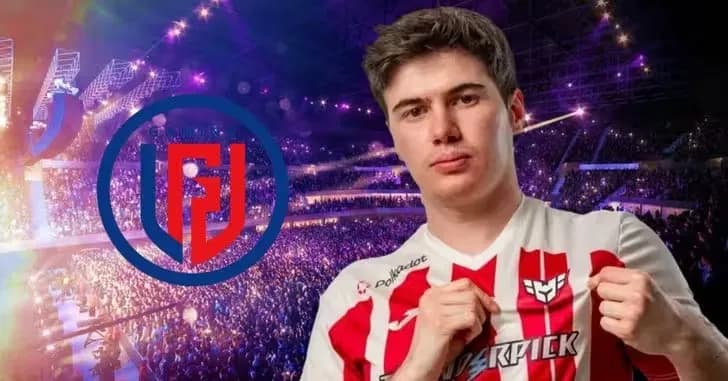
The ex-HEROIC South American roster joins LGD Gaming, marking the Chinese organization’s return to competitive Dota 2 after a two-year absence. Image credit: LGD Gaming / HEROIC
One of Dota 2’s most storied Chinese organizations is back. LGD Gaming returns Dota competition after a two-year absence by signing the entire ex-HEROIC South American roster. The company confirmed the deal during the Valve invite announcement for TI 2026. The move pairs one of esports’ most decorated brands with a roster that just lost its previous home to financial pressure. For both sides, the timing could not be better. TI 2026 in Shanghai sits eight weeks away, and the Esports World Cup Paris follows in July.
The new LGD lineup features Yuma “Yuma” Langlet, Santiago “TaiLung” Olivos Agüero Gustavo, and Adrián “Wisper” Céspedes Dobles. Thiago “Thiolicor” Cordeiro and Matheus Santos Jungles “KJ” Diniz round out the active five. Igor “kaffs” Estevão stays on as head coach. As LGD Gaming returns Dota play this week, the roster played its debut match under LGD colors at BLAST Slam VII on May 26. They immediately secured a 1-0 upset over BetBoom in the group stage. More details on Liquipedia’s LGD Gaming team page confirm the new lineup.
The Chinese org’s exit from Dota 2 in 2024 left a real gap in the scene. LGD had been one of the most consistently successful brands in the game’s competitive history. Their best result was a runner-up finish at TI 2021 (where they fell 3-2 to Team Spirit), plus another second place at TI2 a decade earlier. Three Dota 2 Major championships followed across their career: EPICENTER XL Major and MDL Changsha Major in 2018, plus WePlay AniMajor in 2021. The legacy traces back to the original DotA mod in WarCraft III, with the org operating under various banners including PSG.LGD during their Paris Saint-Germain partnership from 2018 to 2023.
The return is unusual on two counts. First, this is the first time in LGD’s history that its entire active Dota 2 roster comes from outside China. The new lineup is entirely South American, with the previous LGD International division having last operated from 2020 to 2021. Second, LGD enters the South American competitive bracket rather than the Chinese one. That means the team will compete for the single SA slot at TI 2026 rather than the more crowded Chinese qualifier.
The economics behind the deal are clear. LGD picks up a battle-tested top-ten roster for whatever signing fee they negotiated with the players. HEROIC’s release of the roster on May 4 left the five players, kaffs, and the coaching staff without an organization. As a result, the players “agreed as a group to stay together for upcoming tournaments” per the HEROIC exit statement, but they needed a backer. LGD provided that backer with a brand name that carries weight at Chinese sponsors, broadcast rights deals, and global merchandising.
LGD Gaming returns Dota just in time for the regional qualifier window. Valve’s TI 2026 invite announcement on May 25 confirmed seven direct invites: Team Falcons, Team Liquid, Tundra Esports, Aurora Gaming, Team Yandex, Xtreme Gaming, and BetBoom Team. Regional qualifier slots round out the field. The South American qualifier carries one TI slot. LGD enters that qualifier as one of the directly-invited teams.
The roster’s recent record makes them an immediate qualifier favorite. As HEROIC, the lineup finished top 6 at TI 2025 in Hamburg. Furthermore, they won South America’s first-ever Tier 1 Dota 2 title (per HEROIC’s exit statement). The squad also sat among the top 10 teams globally for most of the 2025-2026 season. The gap between this roster and most other South American contenders is substantial. LGD will be heavy favorites to win the SA qualifier and book Shanghai.
That single regional slot has drawn criticism from the community. The South American scene has been arguing for two slots for several seasons. Their case rests on the strength of the region’s top teams. LGD’s entry sharpens that argument. After all, one of the most pedigreed brands in Dota 2 history is competing for the same single qualifier spot. Other SA contenders including PlayTime are in the same bracket. As a result, expect more pressure on Valve’s qualifier allocation through the rest of 2026.
The LGD signing is one piece of a much larger story unfolding across Dota 2 in 2026. Three major organizations exited the scene in four months: HEROIC, paiN, and Tundra. The full breakdown of why Dota 2 organizations are leaving tracks the financial pressures driving the exodus.
What makes LGD’s return interesting is the contrast. Most of the wave has been about orgs leaving. LGD is going the other direction. The Chinese org is rejoining a scene that is shrinking, not growing. The reasons are pragmatic. LGD’s parent company is well-resourced. TI 2026 takes place in Shanghai, which makes Chinese marketing visibility especially valuable this year. Picking up the most successful available roster on the market is the rational play.
The pattern across recent moves tells a story. Tundra exits to 1win Team, which is owned by an online betting platform. HEROIC’s roster moves to LGD, which has Chinese parent funding. paiN’s exit left a Peruvian roster looking for a new home. As a result, the surviving Dota 2 orgs are increasingly those backed by parent companies with revenue streams that do not depend on Dota 2 paying for itself.
One detail worth noting: Igor “kaffs” Estevão stays with the roster as head coach. As LGD Gaming returns Dota with the same coaching staff, his teasers on X across May 25-26 hinted at the deal before the official announcement. Specifically, the cryptic posts mentioned a “legendary organization” signing the team. Furthermore, the coach has been a stabilizing presence through HEROIC’s exit and the transition period. Therefore, his retention through the LGD move signals continuity of the team’s tactical identity.
kaffs has built a reputation as one of South America’s most respected Dota 2 coaches. His tournament results at HEROIC included BLAST Slam appearances, ESL events, and the TI 2025 top 6 finish. So the LGD signing keeps the entire competitive unit intact. The deal locks in five players, one coach, plus support staff including degaz and SweetyPotz where applicable.
The first competitive test is already in progress. LGD’s BLAST Slam VII run started on May 26 with the BetBoom win and continues into the playoff bracket in Copenhagen from June 4 onwards. The $1 million prize pool event runs through June 7. A strong placement here would give LGD valuable momentum heading into the Esports World Cup Paris in July, where the South American qualifier offers another path to the marquee summer event.
After EWC, attention shifts to the TI 2026 qualifier in mid-to-late June. The South American closed qualifier runs from June 15 to June 19 and features 10 teams from the region. That gives LGD roughly two weeks of competitive runway to refine the new identity before the qualifier opens. The roster needs the time. Even with the same five players and coach, adapting to LGD’s institutional support, broadcast obligations, and Chinese sponsor commitments will require adjustment.
For Chinese Dota 2 fans, the return of a heritage org is genuinely meaningful. LGD has been part of the country’s Dota identity for over a decade. Even with a foreign roster, the brand carries weight. Watching LGD compete at TI 2026 in Shanghai (if they qualify) would be a homecoming moment for one of the game’s most storied organizations.
LGD Gaming returns Dota is the rare 2026 Dota 2 story going the right direction. While most of the conversation has been about exits, this is an entry. While most of the news has been about financial sustainability, this is about brand value being deployed strategically. The move says Chinese parent funding can still make Dota 2 work as a marketing investment, even when most Western orgs have concluded the opposite.
Whether that pattern holds long-term depends on results. If LGD wins the SA qualifier and performs at TI 2026, the model gets validated. If they miss qualification or flame out early in Shanghai, the comeback becomes a one-season experiment. For now, the scene has a new old name to follow, and South America has its most credible TI representative in years. For the wider context on the Dota 2 competitive landscape, our hub tracks every major development across the rest of the year.
Dota2Tundra leaves Dota 2 after 6 years and one TI title. Full roster including MoonMeander moves to 1win Team ahead of TI 2026 in Shanghai.
 Dota2
Dota2Valve wrapped the Tidehunter Arcana in a 1-in-100,000 drop rate and a pity timer that can hand you the wrong Arcana. Here is what the Trove of Terror actually costs before you open a single chest.
 Dota2
Dota2Team Falcons DOTA 2 just won The International a year ago, but now the roster is disbanding. Here’s everything we know.