

overwatch
Overwatch x Eve Protocol Collab: Official Release Date, All Skins
The Overwatch x Eve Protocol collab brings Stellar Blade into a new era. Here’s a recap of all hero skins and its release date.
25 Oct 20263 min
Reputation and short odds rarely survive the pick phase. Here’s how reading Dota 2 drafts shows you the timings, combos and gaps the price never mentions.
Early in a new Dota 2 season, reputation can do an awful lot of the heavy lifting.
One team has shorter odds, a strong recent record and the top three players in your fantasy roster. The other’s been stumbling through with patchy form and an offlaner nobody picked.
Then, the draft ends, and somehow, the favourite team ends up with no reliable stun and three cores fighting over farm.
Bang goes your confidence in that match-winner price.
And that, there, is exactly why it’s time to start reading Dota 2 drafts more effectively.
You’re not necessarily trying to identify the winner from five hero portraits; you’re checking whether the form, roster strength and past results still make sense once the draft determines how that map might unfold.
Of course, you still need that wider pre-match context. Before the first hero is picked, it helps to know whether the odds cover a series or an individual map.
eSports betting analysis can be a goldmine here. Pick a community-focused comparison site and read a rundown of where fans wager on matches to see which sites cover Dota 2 and what match markets they carry. This’ll give context in how matchups are priced before you work out what the draft has changed.
Actually understanding what those ten picks have done to the matchup, though? That’s asking for different homework.
Valve lists over 100 heroes in its official Dota 2 roster, so reading drafts means judging the combination over the individual names.
Does the team want early towers and Roshan? Is it buying time for a late-game carry? Or is everything riding on one teamfight?
Mars and Phoenix show how a plan comes together. Mars traps opponents inside Arena of Blood, while Phoenix casts Supernova nearby. The opposing team must attack the egg before it explodes while still contained by Mars.
Sometimes, it’s the underdog that arrives with the more reliable combination.
And suddenly, that shorter price doesn’t look quite so comfortable…
A strong draft also needs time and space to mature.
One lineup might already have Blink Daggers on its initiators, while the other still needs Black King Bars before its cores can take a full fight. Inventories have a nasty habit of looking totally different at minutes 5, 15 and 35.
This gives you something concrete to monitor. If an early-pressure draft is still farming at minute 25, its strongest window may be closing. Meanwhile, a late-game lineup trapped inside its base before completing those defensive items hasn’t reached the point promised by the draft.
Watch which side is approaching its next important item or level. Missing the timing completely means a team may well be running out of ways to play the game it drafted for.
You might not want to turn against the shorter-priced team because of one awkward pick. And, on paper, the favourite may stand out as the “better” team.
Once the final hero’s locked in, however, the number beside the team’s name shouldn’t be the full stop of your analysis. A team that’s truly better can recover from poor lanes and awkward combinations – there’s absolutely no reason why that team can’t be the underdog.
The favourite could still be the favourite, despite not actually being the better-equipped team.
That’s why reading the draft properly matters. It won’t tell you who’ll win, but it will tell you if the number beside a team’s carrying more confidence than its five heroes should.
The Overwatch x Eve Protocol collab brings Stellar Blade into a new era. Here’s a recap of all hero skins and its release date.
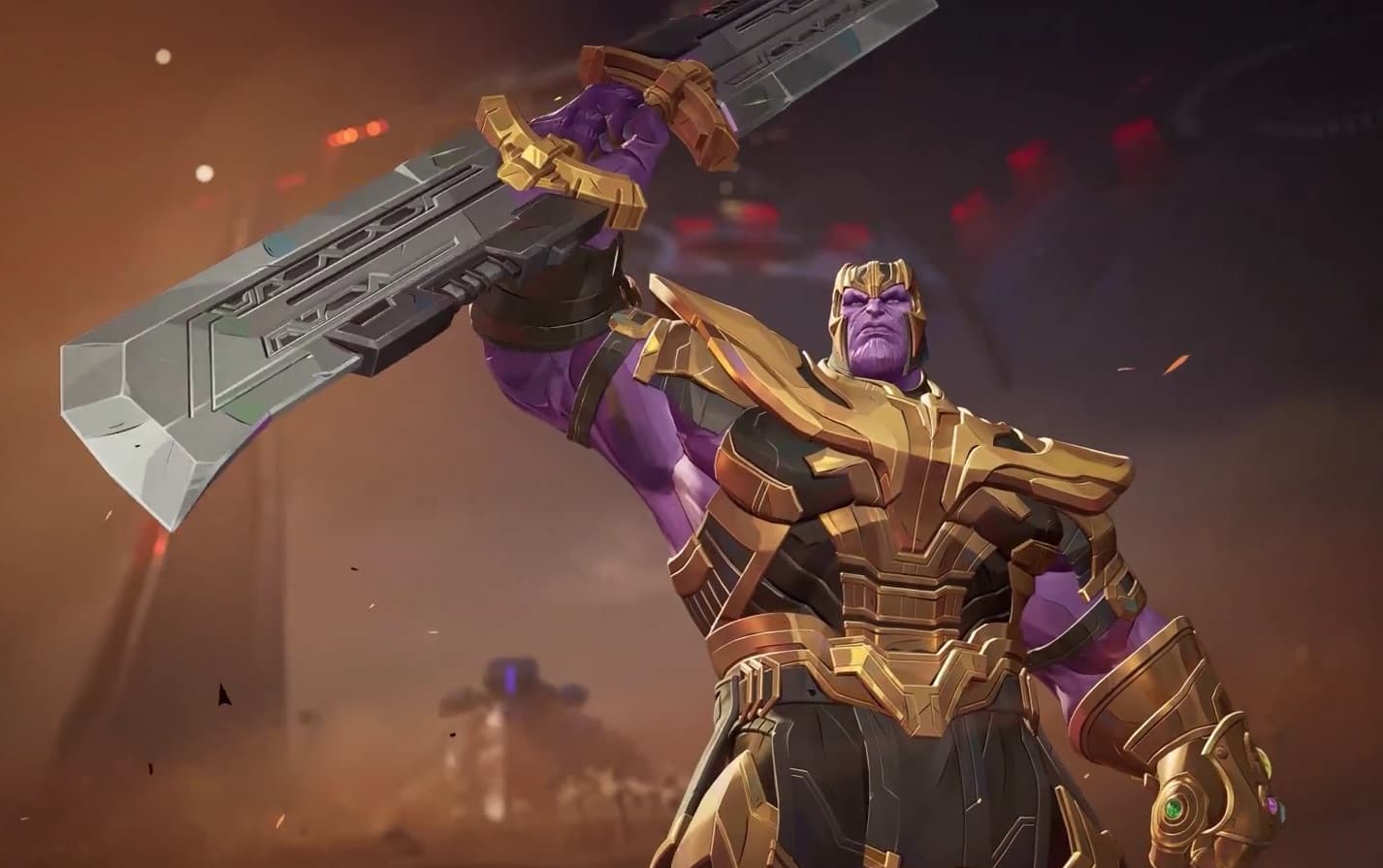
The new Marvel Rivals 50-player Avengers: Endgame PvE mode features Thanos. Let’s recap all of the queue times and how to prepare.
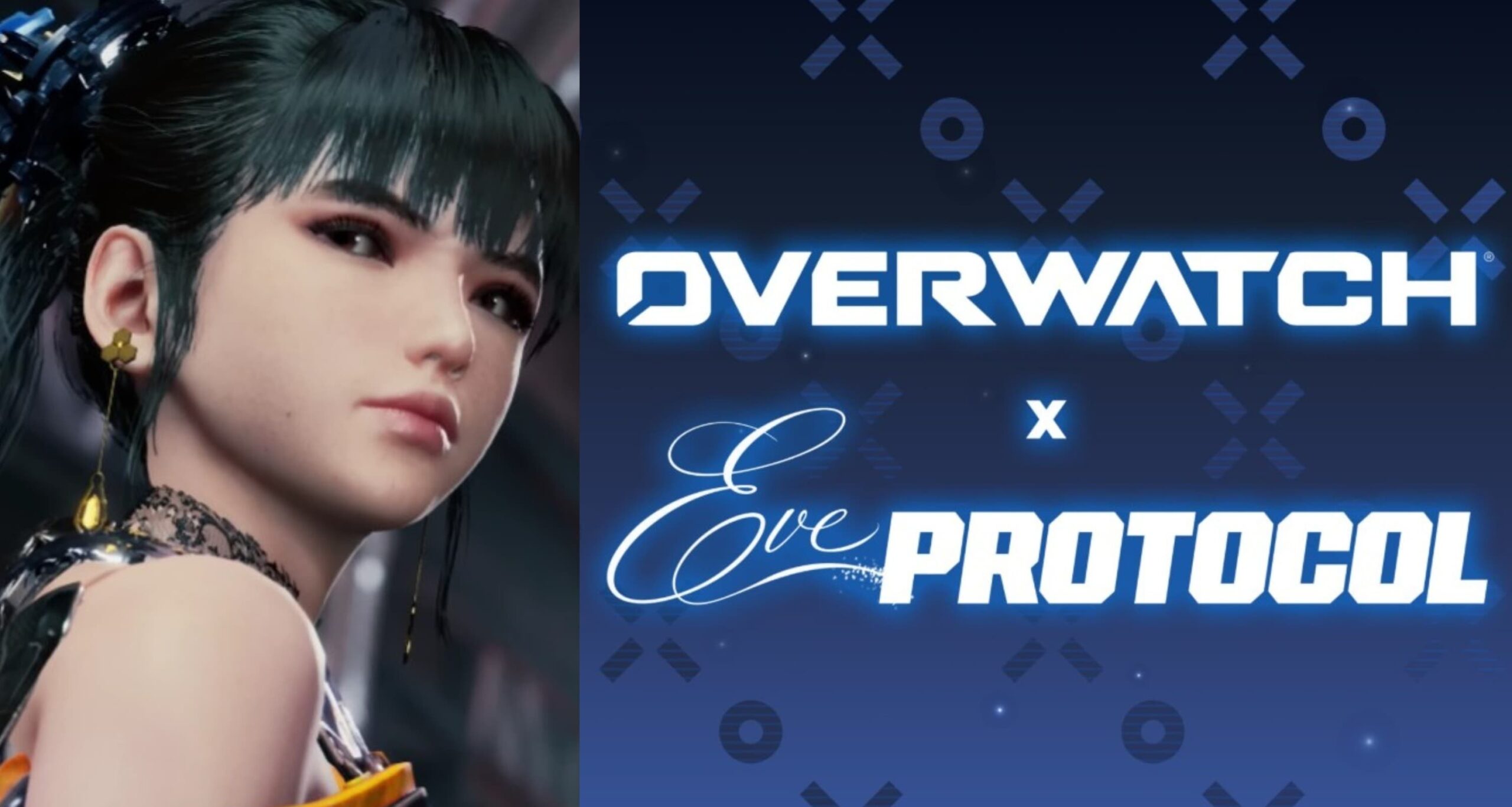
Korean sci-fi title Stellar Blade has confirmed an Overwatch x Eve Protocol collab, possibly bringing its characters in as Overwatch skins.