
 CS2
Best CS2 Aspect Ratio: 4:3 vs 16:9 – Which One Should You Use?
Confused about 4:3 vs 16:9 aspect ratio in CS2? Learn how each resolution works and why professional players use stretched 4:3.
9 Nov 20266 min
CS2Best CS2 Ranked ModeNot sure which CS2 ranked mode to play? We’ve compared FACEIT, Premier, and Matchmaking to help you pick the right one.
A detailed comparison of the most played CS2 ranked modes. Image credit: Valve/FACEIT
Picking a ranked mode in Counter-Strike 2 (CS2) isn’t as simple as hitting the “Play” button. Valve now runs two official options, Matchmaking and Premier, while FACEIT sits outside the game with its own client, rules, and ranking system. It’s no secret that each mode offers competitive ranked matches, but they feel very different once you’re in the server. Before you queue up, take a look at this side-by-side comparison of FACEIT, Premier, and Matchmaking (aKa Competitive), which breaks down how they differ and which one is the best CS2 ranked mode for you.
Before diving into the details, here’s a quick comparison of all three Counter-Strike modes:
| Aspect | Matchmaking (Competitive) | Premier | FACEIT |
|---|---|---|---|
| Ranking | Separate Skill Group per map | One CS Rating with colors and leaderboards | Elo with Levels 1–10 (plus Challenger) |
| Map choice | Players choose freely | Four nominated maps, one drawn at random | Veto and knife round |
| Anti-cheat | VAC, VACnet and Trust Factor | Same as Matchmaking | Kernel-level FACEIT anti-cheat |
| Servers | Valve official | Valve official | FACEIT dedicated servers |
| Cost | Free (Prime recommended) | Free (Prime and Level 10 required) | Free tier and paid Premium |
| Overall feel | Flexible and map-focused | Official and seasonal | More serious and stricter |
Premier is Valve’s answer to the old ranked grind, and it’s the closest thing CS2 has to a default. It uses a numerical CS Rating instead of the old Silver-to-Global-Elite badges, with colors marking each tier.
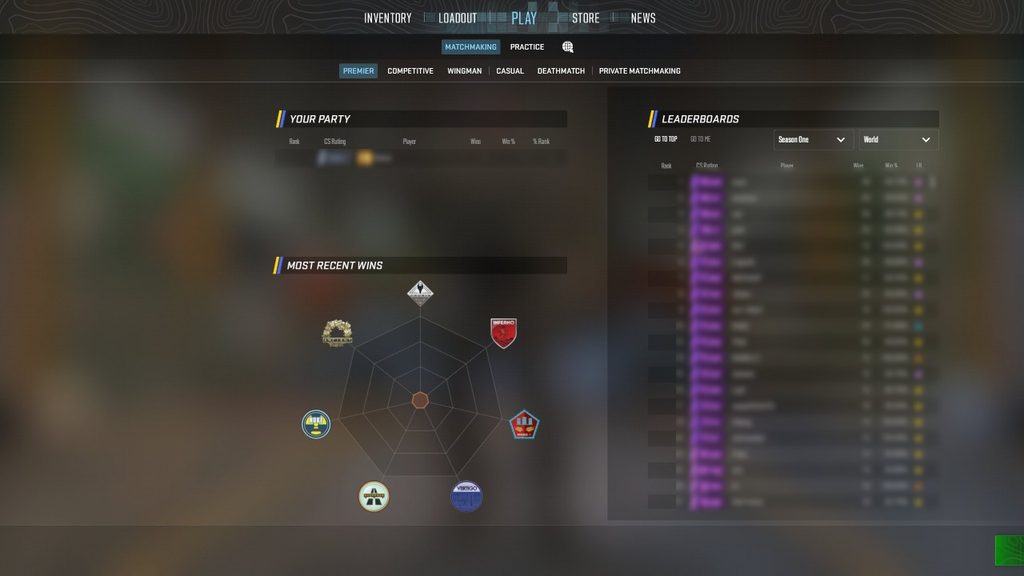
You also get a map pick and ban phase before each match, which sounds minor until you realize how much it changes things. Nobody gets stuck on a map they hate for the fifth game in a row. Well, mostly.
The major advantage of Premier mode is convenience. Players can launch Counter-Strike 2 on their PCs and play this mode right away. There’s no additional software required, and the best part is that you don’t have to pay any subscription fee beyond the one-time Prime status purchase.
When it comes to the experience, we’ve personally felt that matches in Premier are decent and the competitive structure is tighter than regular matchmaking. Since your rating moves with every win and loss, you can actually feel yourself climbing and grinding the mode.
The major con of Premier mode is none other than cheaters. While Valve has improved its detection and Trust Factor system over time, Premier still draws a lot of complaints from higher-rated players who say they run into suspicious accounts more often than they’d like. In fact, as you gain ratings and climb the ladder, you frequently encounter cheaters, as they tend to sell high-ranked accounts at a great price.
Overall, Premier mode is not unplayable. The frequent unfair games are just annoying, and annoying adds up fast when you’re trying to improve. However, keep in mind that Premier is also tied to Prime status, so you can’t just jump in on a fresh free account.
Classic Competitive matchmaking is the mode most of us grew up with. Original Counter-Strike: Global Offensive players still remember the late nights spent grinding just to reach Legendary Eagle Master and show it off to the Discord group.
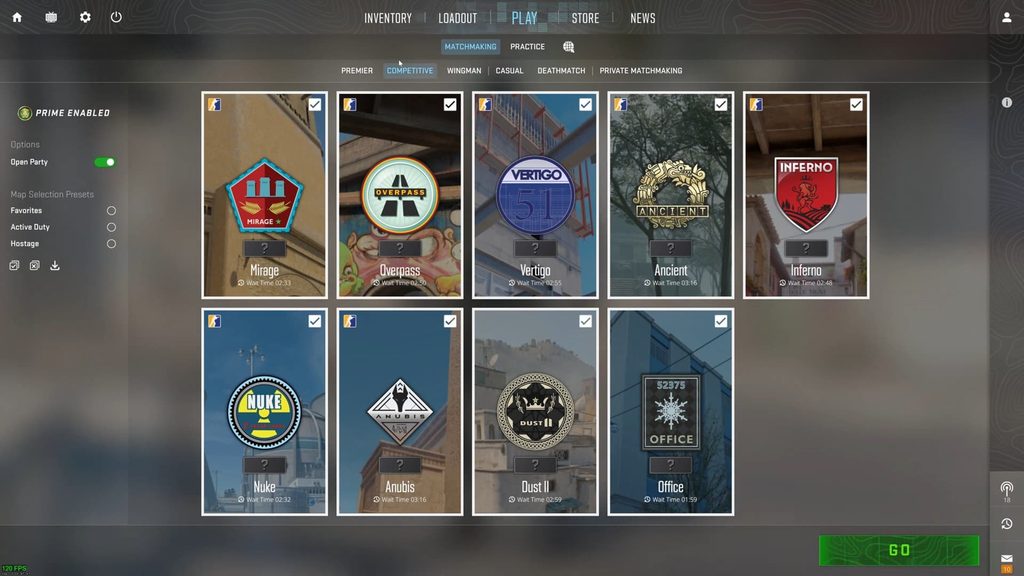
For those who don’t know, Premier didn’t even exist in Global Offensive until Valve introduced it in 2020, though that mode has changed quite a bit since CS2 arrived. Back to the Matchmaking system: you get the old rank system, running from Silver to Global Elite, with a separate rank for each map. That last part is both its charm and its curse.
Matchmaking feels relaxed in a way Premier doesn’t. Your rank is less of a public identity, so there’s less pressure to protect it. If you’re learning a new map or messing around with friends, it works just fine. Wingman is also available if you only have one buddy online.
That said, it’s also the least reliable place to practice. The skill gap between players in the same match can be huge, especially in the middle ranks. Rank decay kicks in if you stay away for too long, and smurf accounts are everywhere. The rank itself also means less than it used to. A Gold Nova in one lobby might play like a Master Guardian in another, and nobody quite knows why.
Think of Matchmaking as the casual cousin of competitive CS. It’s good for warming up but bad for proving anything. Hardly anyone plays this CS2 ranked mode these days, which is why queue times are longer, especially for less popular maps.
FACEIT is an entirely different platform that works alongside Counter-Strike 2 but operates quite differently from the game’s official matchmaking system. It’s owned by ESL FACEIT Group, the same company you’ve probably seen organising major international CS2 tournaments with millions of dollars in prize money.
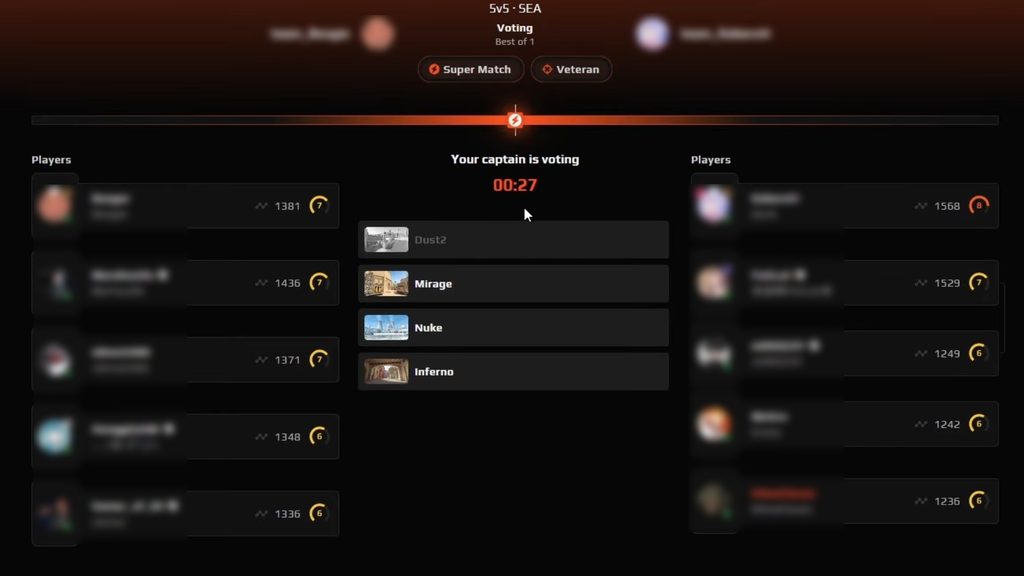
FACEIT is essentially a third-party platform with its own client, anti-cheat system, and Elo-based ranking system that runs from Level 1 to Level 10. You need to verify your account and install its anti-cheat software, which operates at the kernel level. Some tech-savvy players aren’t comfortable with that, and understandably so. Giving a program that level of access to your machine isn’t something everyone is willing to do. The same concern applies to VALORANT, which also uses a kernel-level anti-cheat system.
The payoff is a cleaner playing environment, at least in theory, as kernel-level anti-cheat software makes it considerably harder for third-party cheat programs to operate undetected. This is one reason you might have heard that cheaters on FACEIT are caught more consistently.
Another advantage is that players generally take the game more seriously, meaning you’re less likely to run into teammates who deliberately throw matches. Matches also tend to feel more organised, with proper lobbies, map vetoes, and players who are more likely to communicate.
Reaching Level 10 is also a genuine badge of honour. Many players consider it a better benchmark of skill than any rank in Valve’s own matchmaking system. Whether that’s entirely fair is debatable, but there’s no denying that FACEIT has built a strong competitive reputation, and that reputation is largely deserved.
There are a few catches, of course. Queue times can be frustrating outside peak hours, particularly at lower levels and depending on your region. Some features are also locked behind a paid subscription. Then there’s the competitive atmosphere, which cuts both ways. Toxic players exist everywhere, but FACEIT lobbies can get sweaty very quickly, and even a bad game can feel considerably worse when everyone around you expects perfection.
The real answer depends on what kind of Counter-Strike 2 player you are.
If you’re new to ranked play, I’d highly recommend starting with Matchmaking. Players there tend to be more approachable, you’ll generally encounter fewer cheaters, and the overall experience is less stressful. In fact, if you’re someone who comes home after a long shift and just wants to enjoy a few games of Counter-Strike 2, the classic Matchmaking mode is probably the better choice.
FACEIT and Premier can chew you up and make you feel like you’re the problem. You’re not. You just need more practice first. Once you’ve played dozens of matches in classic Matchmaking, you can try your luck in Premier.
If you’re a mid-level player looking to improve and get a real sense of competitive progression, Premier is a solid choice. Think of it as stage two. As mentioned above, players generally take matches more seriously, communicate better, and give you a greater sense of accomplishment when you win. However, keep in mind that cheaters can occasionally ruin the experience, so don’t go in with unrealistic expectations.
FACEIT, on the other hand, is the final boss. The platform has one of the more robust anti-cheat systems in the CS2 ecosystem, and the teammates you encounter can make matches feel closer to an actual Tier 1 or Tier 2 competitive environment. You’ll still run into the occasional suspicious account, but you’ll generally encounter fewer cheaters.
If you play with friends and don’t take things too seriously, stick to Matchmaking or Wingman. Don’t overthink it. Not every game has to be a career move.
CS2Confused about 4:3 vs 16:9 aspect ratio in CS2? Learn how each resolution works and why professional players use stretched 4:3.
 CS2
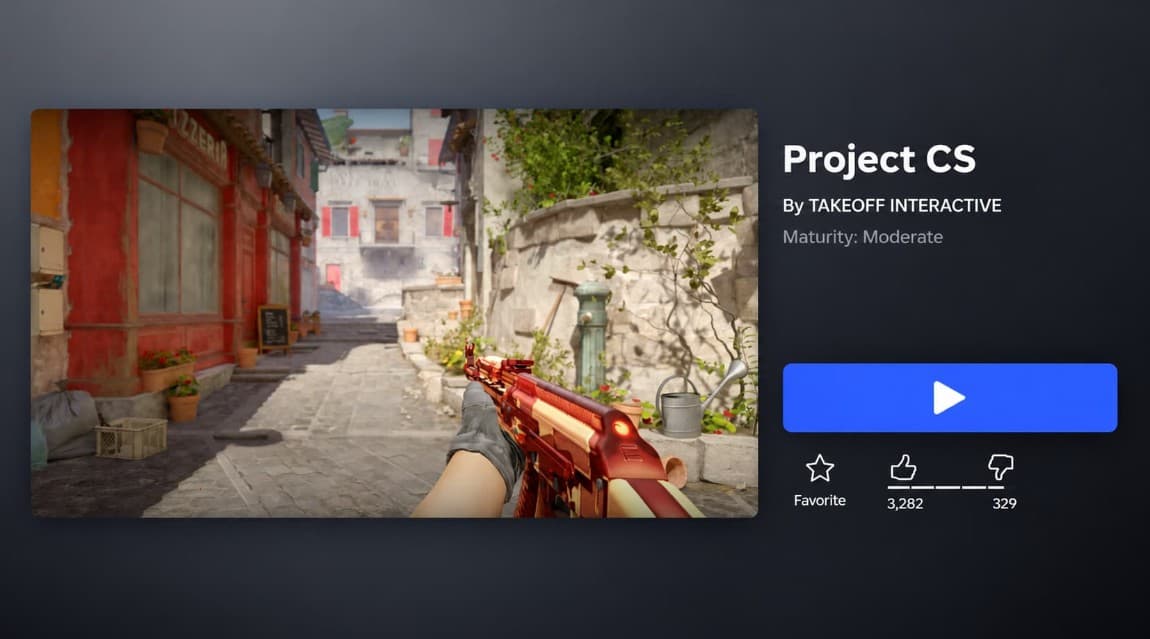
Roblox now has a near-exact copy of Counter-Strike 2. Learn what Project CS is, if it is legal and how to play it before it is taken down.
 CS2
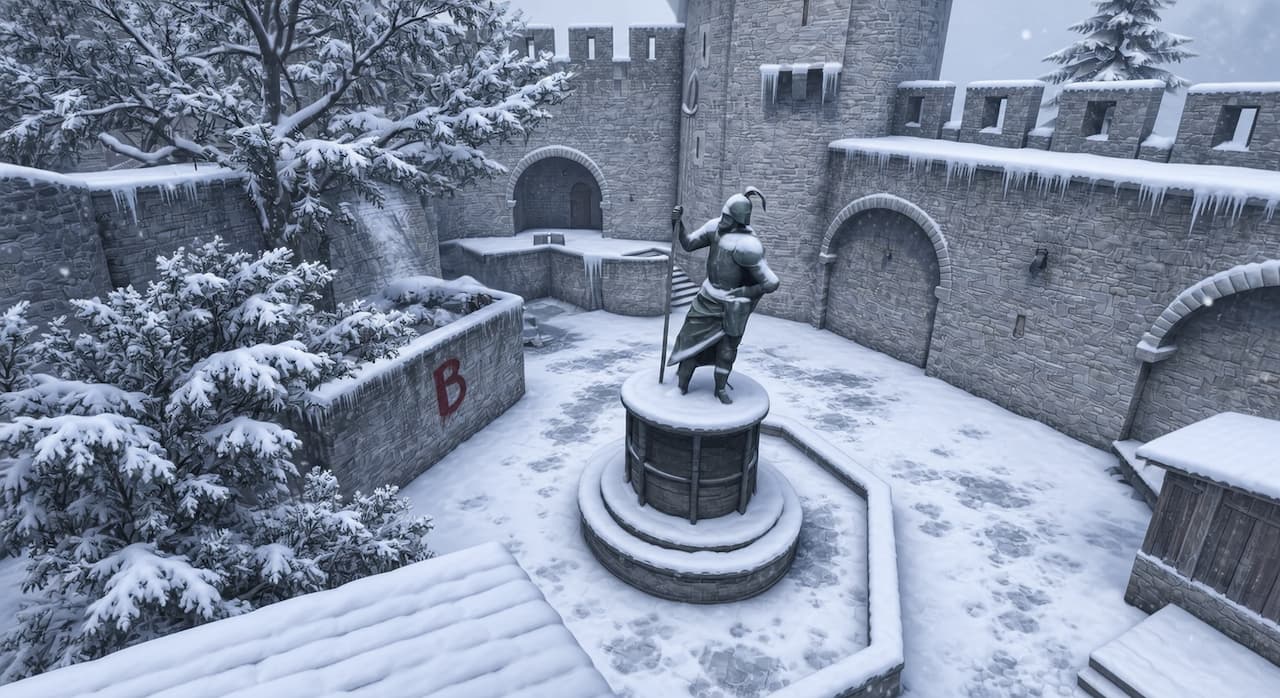
A minor CS2 patch has a sneaky hint about a possible winter map. Is it actually coming, and what do the leaks say?