
 CS2
CS2Team Vitality CEO Makes Statement After HQ Vandalized, Trophies Stolen
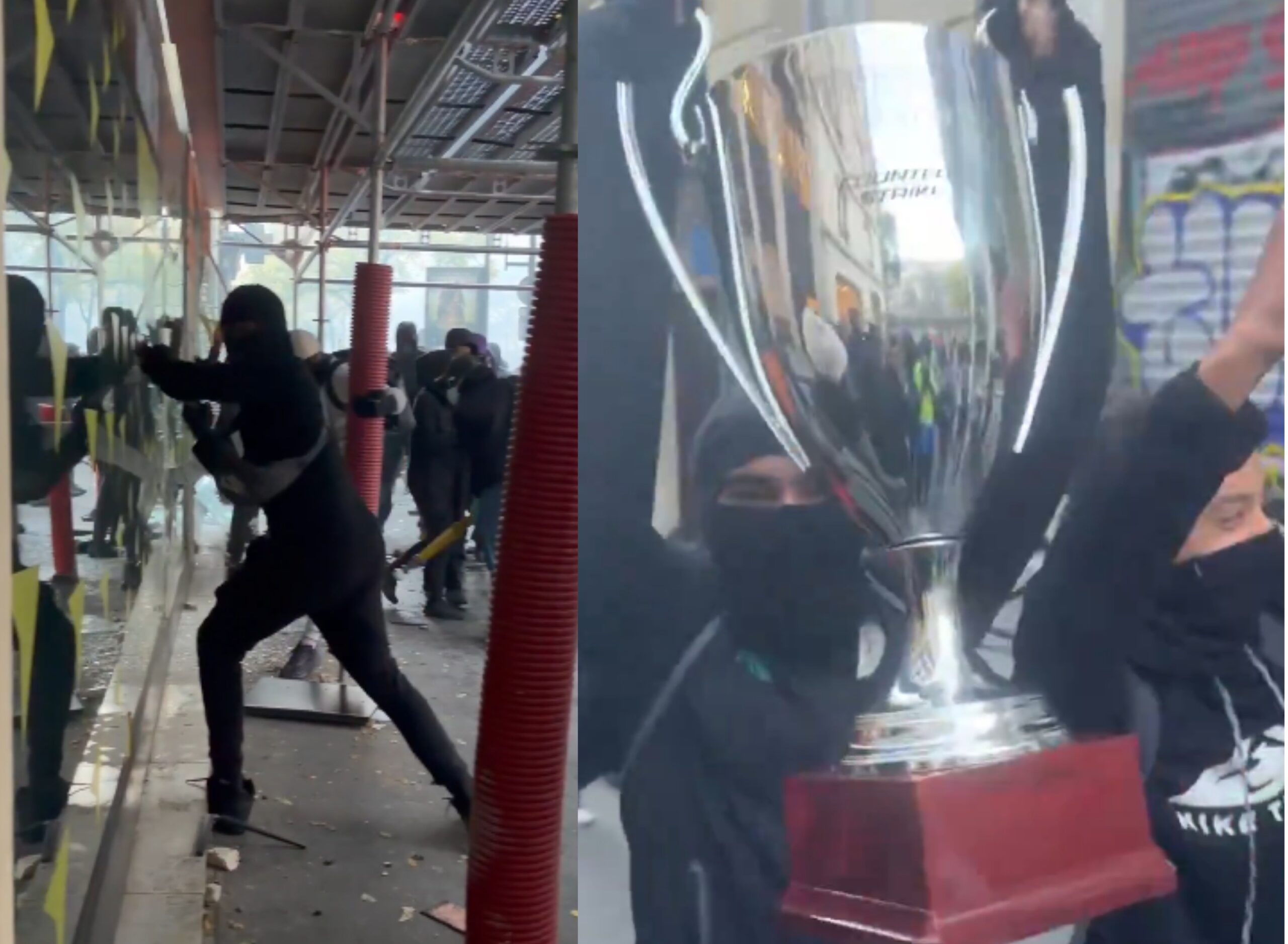
Team Vitality founder and CEO Neo has spoken out after the V.Hive HQ in Paris, France was vandalized, and thieves stole trophies and PCs.
17 Oct 20264 min
CS2BREAKINGAntyVirus quits CS after CYBERSHOKE drops a matchfixing dossier on his former Oramond squad. CCT and Thunderpick now investigating. The full story.
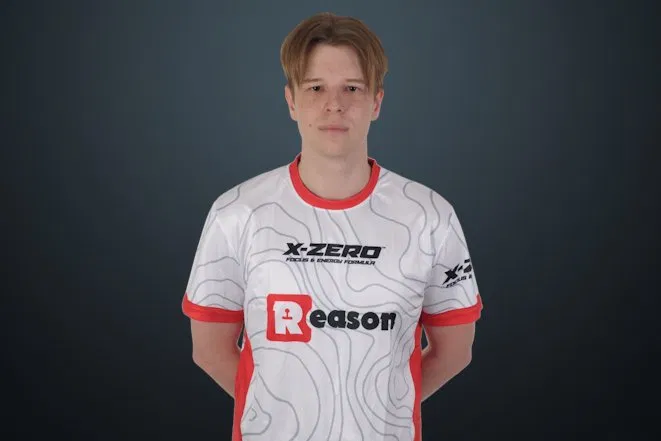
Miłosz “AntyVirus” Konieczka pictured during his Reason Gaming stint in 2025. Image: HLTV
Five years trying to escape the underground. Five years of accusations. And now, a final post on X and a goodbye to Counter-Strike. The AntyVirus matchfixing scandal hit the CS2 scene full force on June 2, when Polish player Miłosz “AntyVirus” Konieczka announced he was leaving the game. His announcement came one day after CYBERSHOKE published a detailed dossier of allegations against him and his former Oramond teammates, the same group now competing as DragonClaw. CCT and Thunderpick tournaments have since confirmed investigations are underway.
This is the most serious competitive integrity story in CS2 this year. The accusations include match-fixing, the purchase of radar cheats, and the use of direct memory access (DMA) hardware cheats. The receipts come in the form of leaked voice clips and screenshots provided by another professional player. AntyVirus has called the accusations “false.” But he has also packed up and walked away from the game he says he spent five years trying to professionalize.
The story started on June 1 with a post from CYBERSHOKE’s Operations Manager Emil “VigoV” Khakimov. Specifically, his X post showed screenshots that included discussions of match-fixing and the delivery of DMA cheats. Behind the post sat an investigation conducted by CYBERSHOKE’s team captain Daniil “alpha” Demin. Therefore the receipts came from inside the competitive scene, not from outside speculation.
In a follow-up thread, alpha walked through what he had collected. He said he was approached by an unnamed person who claimed to have sold radar cheats to AntyVirus. Furthermore, the same source provided alpha with screenshots of match-fixing discussions. Voice clips followed, in which a voice alpha identifies as AntyVirus appears to ask how to use the DMA cheats. As a result, alpha said he verified the voice through cross-referencing with other players, including Martin “zur1s” Sláma and Paweł “innocent” Mocek.
DMA cheats are particularly concerning for the broader CS2 ecosystem because they run on a second device. As a result, they sit outside the reach of standard anti-cheat systems like VAC Live or FACEIT’s client-side detection. The hardware approach makes them genuinely hard to detect during live matches. Combined with the match-fixing allegations, the picture alpha laid out painted a coordinated operation rather than an individual lapse.
CYBERSHOKE then escalated. The organization’s Operations Manager posted that both CCT and Thunderpick had committed to investigating the matter. HLTV confirmed the CCT investigation directly. Therefore the case is no longer just internet drama. Two tournament organizers with real stakes in the integrity of the scene are formally looking at it.
After the initial allegations dropped, AntyVirus pushed back on X. He called the accusations false and said he was fully willing to cooperate with ESIC, the esports integrity body that handles match-fixing investigations in Counter-Strike. The response was firm in tone but vague on specifics.
Twenty-four hours later, the tone shifted entirely. AntyVirus posted what he framed as a final message on X. The key line read: “I’m done and tired of stuff going on. There is no point to fight with anybody here. For past 5 years I was trying my best to leave ‘underground’ and become professional player and for past 5 years i’m all the time accused of cheating or other stuff.”
This is my final post. There will be no more.
— AntyVirus (@AntyViruscsgo) June 2, 2026
I leave CS – that's it.
I'm done and tired of stuff going on. There is no point to fight with anybody here. For past 5 years I was trying my best to leave "underground" and become professional player and for past 5 years i'm all the…
The post landed somewhere between a confession of frustration and a declaration of innocence. As a result, the community immediately split into two camps. One sees a player burned out by repeated accusations finally stepping away with his integrity intact. The other sees a guilty admission dressed up as a victim-narrative exit. Neither side has been short on noise.
The AntyVirus matchfixing scandal is not happening in isolation. The DragonClaw roster, which inherited most of the former Oramond lineup, has been at the centre of controversy before. In 2025 ENCE issued a public statement raising competitive integrity concerns ahead of their YGames Pro Series Season 5 final against M1. That M1 roster featured several of the players now playing under the DragonClaw banner. The 2026 scandal is therefore the second high-profile flag raised against this player group in two years.
Beyond the specific players, the case touches a structural problem in lower-tier CS2. Tier 2 and Tier 3 events run with smaller prize pools, lighter anti-cheat coverage, and less professional oversight than the top circuit. Specifically, the gap between tier 1 events with full ESIC monitoring and tier 3 online qualifiers with minimal verification is the soft underbelly of competitive integrity. Match-fixing operations have repeatedly exploited that gap.
HLTV commenters were quick to point out other names with similar reputations across the lower tiers. The volume of forum noise around the Thunderpick incident, including unresolved questions about a recent Europe Series 1 final result, suggests this is not an isolated case. Therefore the CCT and Thunderpick investigations could open up a much wider conversation than just one player’s retirement.
The roster that was Oramond is now DragonClaw. They were active and competing under their new banner before the scandal broke. With one of their key players walking away and a formal investigation underway, the team faces serious questions about its future. Other players named in the broader investigation include Aleksandr “glowiing” Matsievich, David “bl1x1” Stepanyants, Roman “Mokuj1n” Petrushenko, and Vladislav “fluffy” Galimov.
If CCT or Thunderpick conclude with match-fixing findings, the consequences run from individual bans to permanent removal from sanctioned competition. ESIC’s track record on match-fixing cases is harsh. Recent examples include lifetime bans handed out across multiple regions when documentary evidence was sufficient.
For now, the DragonClaw players remain in competition pending the investigation. The legal-style burden of proof matters. Voice clips need to be authenticated. Screenshots need to be verified. The chain of custody on alpha’s sources needs to hold up. As a result, the next few weeks of investigation work will determine whether the AntyVirus matchfixing scandal becomes a single retirement or the opening chapter of a much wider purge.
Match-fixing in lower-tier CS2 has been a recurring problem for years. The scene’s openness, which lets new players climb from FACEIT to Tier 2 to Tier 1 through performance alone, is also its vulnerability. Specifically, the same low-barrier entry that creates tomorrow’s stars also creates fertile ground for operations that exploit the gaps in oversight.
ESIC, Valve, and the major tournament organizers have tightened the screws repeatedly across 2024 and 2025. Yet the AntyVirus matchfixing scandal lands right in the middle of the IEM Cologne Major, the most-watched CS2 event of the first half of 2026. The timing draws attention to exactly the structural gap that the major organizers want to keep out of the conversation. As a result, expect this story to drive industry pressure for stronger lower-tier monitoring through the back half of the year.
For now, AntyVirus is gone. The investigation is open. DragonClaw plays on under a cloud. As a result, the rest of the CS2 ecosystem waits for the receipts to come out, the bans to land, or the case to quietly fade. Few CS2 stories carry the weight of an AntyVirus matchfixing scandal, and few are this hard to read clean. For wider coverage of the CS2 competitive landscape, our news hub tracks every major development as the scandal unfolds.
CS2Team Vitality founder and CEO Neo has spoken out after the V.Hive HQ in Paris, France was vandalized, and thieves stole trophies and PCs.
 CS2
CS2The new Razer Basilisk mouse has a perfect 180 spin button for FPS games and an AI button. Does it count as esports cheating?
 CS2
CS2BC.Game asked Valve to reset its VRS points to zero after a new region rule. What does this mean for PGL Major Singapore 2026?