
marvel rivals
Sexyy Red Plays Marvel Rivals, and She Wants a Legendary Storm Skin
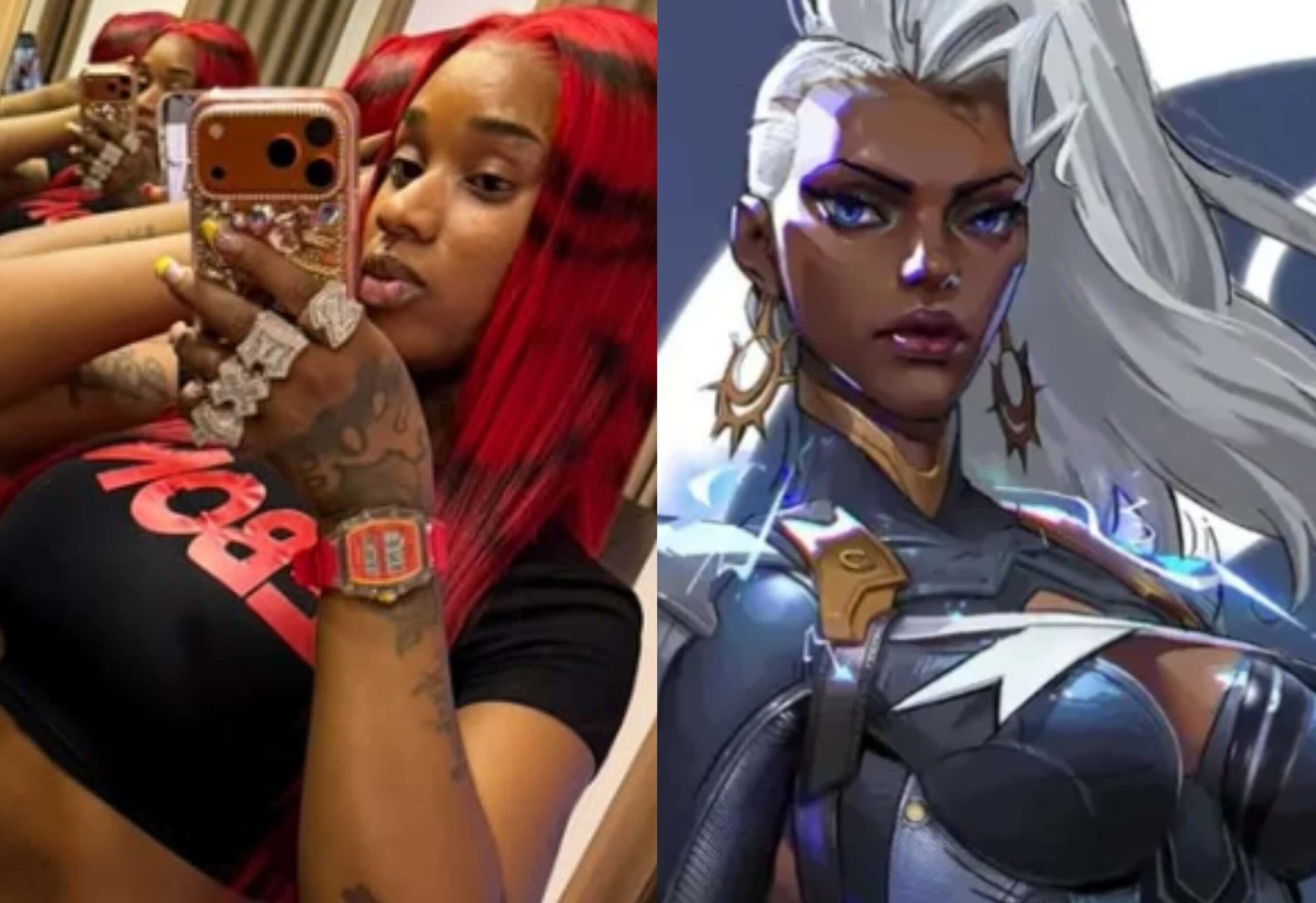
Rapper Sexyy Red has revealed she plays Marvel Rivals, and she’s asking the NetEase team for better Storm skins.
17 Oct 20262 min
Polymarket lists thousands of esports contracts: match winners, map winners, round handicaps. Here’s what you’re actually buying, and why a 65% quote doesn’t mean you can buy at 65 cents.

Esports trading has become more detailed than just choosing a winner and waiting for a trophy. Polymarket has contracts for individual matches, and even maps. Some markets go all the way down to round handicaps. A September 27 archive by PolyOrderbooks estimated there were about 31,000 esports contracts across three popular competitive games. The platform has its own esports hub where users can see prices tick during play, which is fitting for a scene centered on live stats and best-of-three matchups, and also gives more information for a novice who wants to buy in.
Polymarket operates with shares rather than a set sportsbook ticket. Buyers place Yes/No bets from $0 to $1. A bet trading close to 60 cents has an implied chance of close to 60%. This quote is derived from orders in the book, rather than by a company employee. Per Polymarket, the display uses the midpoint of the bid and ask (if the spread is less than 10 cents). If the spread is bigger, the website displays the last price traded.
Season-long contracts offer the simplest entry point. You may see a market for the winner of a major event or an end-of-year award. Those listings behave much like other futures markets because the answer remains open for weeks. The esports hub also carries shorter questions tied to one series.
From there, things get more detailed. PolyOrderbooks found match-winner contracts alongside map winners in its September archive. Handicap listings added another layer. A handicap might give one side a virtual round advantage before settlement. If you follow esports every weekend, the idea will feel familiar. If you don’t, read the wording rather than assuming a match prediction and a map handicap measure the same thing.
Counter-Strike 2 creates plenty of room for that granularity because a best-of-three contest can change character between maps. Polymarket has listed outright match outcomes and individual map questions. Its game pages also carry longer-term propositions when schedules support them. Each contract uses a price from zero to 100 cents to express the crowd’s current view.
An order book adds another piece that the headline percentage cannot show. Suppose one side displays 65%. That does not mean you can buy any amount at 65 cents. You may find little money available near that quote. Polymarket tells users to check depth before placing a large order because a trade can move through several price levels when counterparties offer too few shares.
League of Legends lends itself to another type of contract because tournaments run through distinct stages before reaching the final. Polymarket’s esports section has carried match listings alongside futures such as the Worlds winner. It has also offered questions about the winning region and individual awards. That lets a fan follow one event from several angles without treating every prediction as the same bet.
A long-range Worlds contract asks you to assess form across an event. A match contract deals with one opponent. Those time horizons can produce different prices even when the same team appears in both. Roster news may change the immediate contest without doing as much to a tournament forecast. The contract wording tells you which question traders have priced.
An esports quote can move before a match because someone places a large order. It can change again after the first map. Supply and demand drive those adjustments. Polymarket does not act as the opposing side of each transaction. Other users provide the counterparties.
That distinction helps when you see a sudden jump from 45% to 55%. The change tells you traders accepted new prices. It does not prove that the true chance of victory moved by ten percentage points. Thin liquidity can exaggerate a move because less money stands between price levels. Deep books tend to absorb larger orders with less movement.
For new users, understanding trading costs and promotional terms matters just as much as following the markets. SportsbookReview’s guide to Polymarket promotions worth checking includes the SBR code, which currently offers eligible new users $25 in trading bonus funds after a minimum $10 deposit. The bonus cannot be withdrawn directly, and eligibility restrictions apply. As with any prediction market offer, readers should review the terms before committing funds.
Polymarket expanded its esports section in June through a partnership with GRID. The agreement added official match data and live streams. Interactive tools joined the same hub. GRID said the launch covered major events across several titles and pulled information from official data feeds rather than public broadcast streams.
That setup can reduce the need to bounce between tabs during a match. It does not remove the need for analysis. A scoreboard tells you what happened. It cannot tell you whether the market has priced the next outcome well. Fans who know map tendencies or roster changes still have to decide whether the number on screen leaves enough room for their own view.
Beyond live match data, gaming in prediction markets extends to tournament outcomes, game releases and other developments across the video game industry. These markets give traders different types of events to follow, each with its own factors influencing prices and expectations.
Research also cautions against treating esports betting as traditional sports wagering with different graphics. A 2026 study in Comprehensive Psychiatry compared 359 esports bettors with 326 traditional sports bettors. The researchers found that the esports group had a lower mean age. Participants in that group also reported higher gambling-risk scores and more gaming-disorder symptoms.
A separate 2026 study in the Journal of Gambling Studies examined how streaming relates to gambling intentions. Its authors found a specific association between frequent esports viewing and an intention to bet on esports. That connection deserves attention on platforms that combine a live stream with a trading interface. Convenience can help a fan follow an event. It can also shorten the gap between watching and spending money.
Rapper Sexyy Red has revealed she plays Marvel Rivals, and she’s asking the NetEase team for better Storm skins.
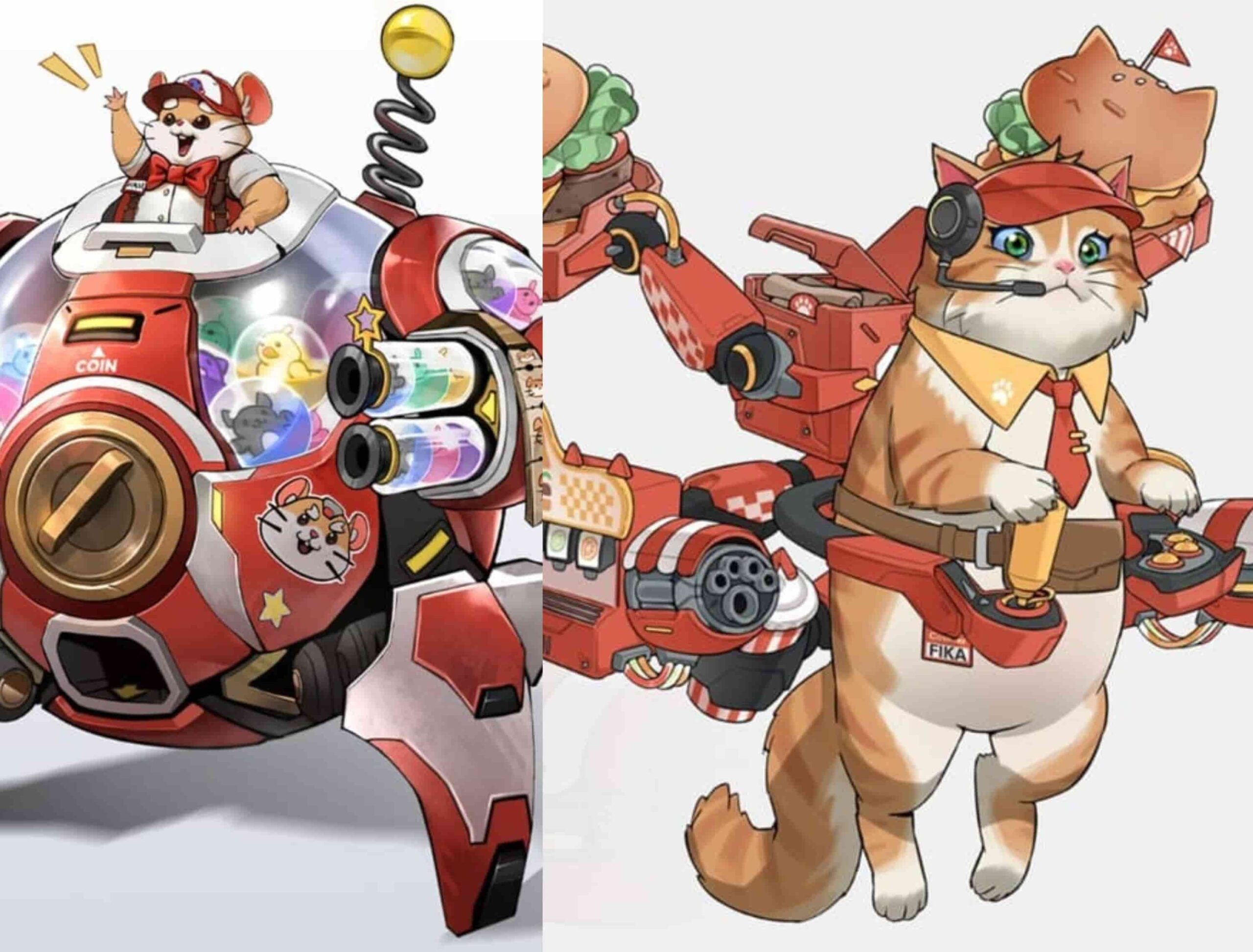
The 2026 Overwatch fan skin contest announced its winners. Let’s explore every new Hero skin, with options for Wrecking Ball and Jetpack Cat.
Sweepstakes casinos cleared $14.3 billion. Roblox counts 230 million accounts. Pop Mart sold $5 billion of sealed boxes. The AAA model is no longer the centre of American gaming, and the numbers are not close.