

Crew Pack Outfits
Big Fortnite Crew Changes: More V-Bucks, But No More Skins
Fortnite Crew is changing. Players get more V-Bucks and XP, but Crew Pack outfits will stop releasing. Here’s a recap.
4 Nov 20263 min
The M7 World Championship set a new mobile esports record with 5.68 million peak viewers, but those numbers don’t show how people actually tuned in. We look at apps, browsers and streaming platforms, and what fans really need from each.
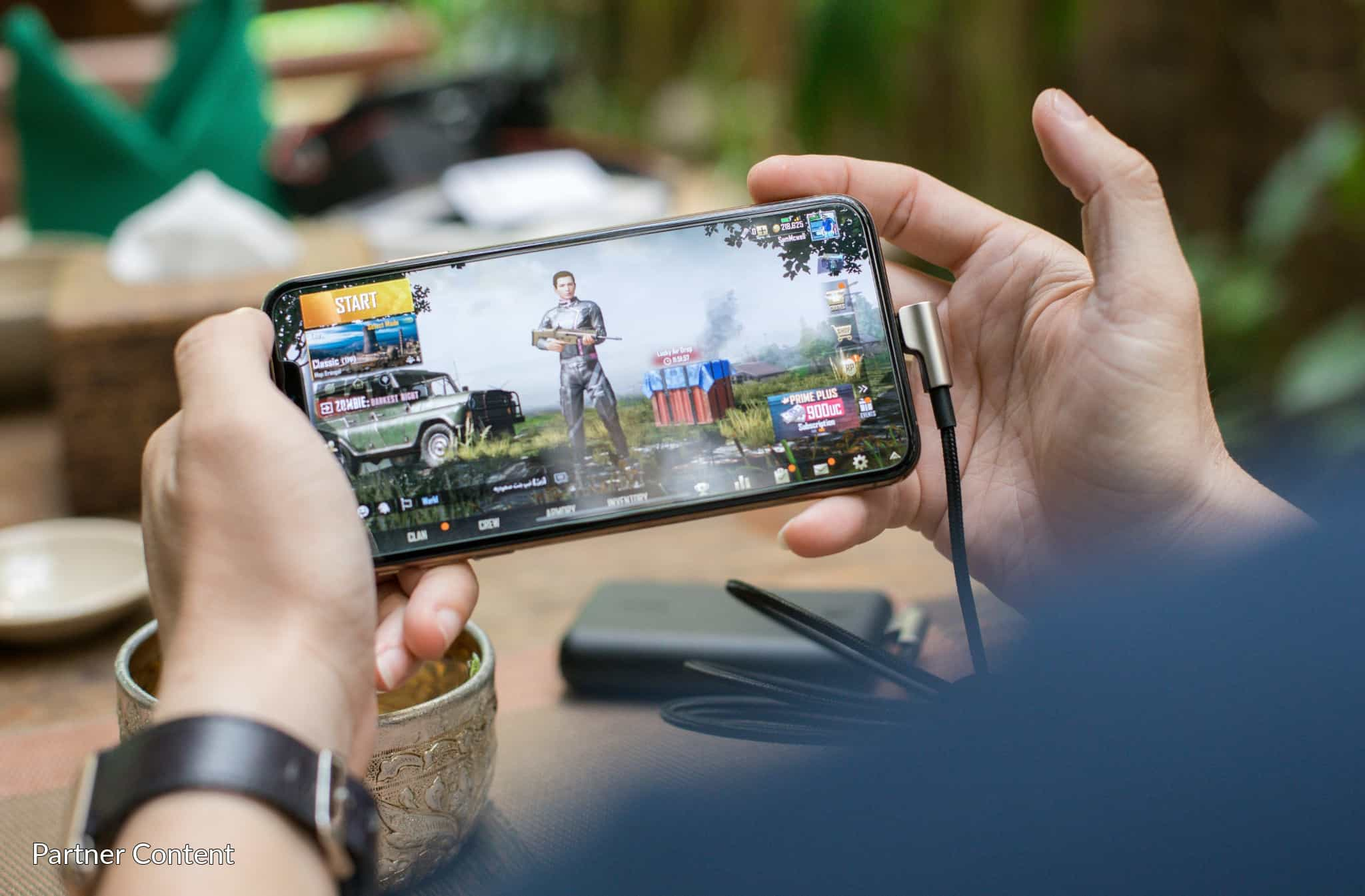
The year was barely underway when the M7 World Championship gave the mobile esports community something worth talking about. Held in Jakarta, Indonesia, in January 2026, the Mobile Legends: Bang Bang (MLBB) tournament racked up 5.68 million concurrent viewers during its Grand Final between Alter Ego and Aurora Gaming PH. According to Esports Charts, it became a new record peak in mobile esports.
To put this into context, peak concurrent viewership measures how many people were watching at the same time across tracked streaming platforms. However, the statistics won’t tell us the finer details, like how people tuned in. Fans following the same competition can have very different viewing habits, using several platforms such as tournament sites and esports apps to keep track of what’s happening.
As mobile esports continues to grow, are fans relying on dedicated apps, sticking with familiar streaming services, or finding other ways to keep up with their favorite competitions?
While a live broadcast might be the main attraction, there’s plenty going on around a tournament that fans don’t want to miss. They might be curious about which teams have secured a place in the playoffs, how a top player performed in the last round, or who’s leading the group. Many esports followers enjoy keeping up with the details even when they aren’t watching a match live.
If someone was invested in the League of Legends World Championship, for example, they might tune into the action through YouTube or Twitch, then visit the official LoL Esports website to check out the tournament bracket and upcoming fixtures. They could even go granular and look up individual player statistics, read post-match coverage, or follow team announcements on another site. Just like with traditional sports, the mobile esports experience doesn’t typically solely revolve around a single platform.
Some fans may even prefer to keep several tabs open in their mobile browser or have a dedicated folder for all associated esports apps. While this might seem like a fairly fragmented experience, it allows multiple platforms to fill different roles and gives fans more freedom to follow tournaments in whatever way suits them best.
With global spending across the app economy hitting new highs and pressure from consumers to provide mobile-first access to services, the presence of apps is more prominent than ever. Despite this, mobile apps haven’t entirely replaced websites. Both offer different ways to access information, with neither being automatically better for every situation. Someone who follows a particular league every week might appreciate having a specific app on their phone, while someone checking an occasional match might be content making do with a browser.
Dedicated apps can feature easy account access, push notifications, personalized match alerts, and other functions that make it easier to stay updated without manual search. Some apps also bring together player profiles, standings, schedules, and news in one interface to reduce the need to visit several sites. Mobile browsers also offer convenience, but in a different format. Fans can follow links shared by viewers, open pages directly from search results, or reference bookmarked pages without installing anything. If they prefer to avoid results and statistics until they’ve had a chance to watch the match, browser-based options can often preserve the suspense and keep accidental spoilers away – provided that the user turns their notifications off.
Rather than competing for exclusive attention, mobile esports viewing often has applications and platforms working together to join different parts of the esports scene. Similar decisions shape browser play versus casino apps on mobile, where compatibility, access, and available features influence how users interact with a service.
While dedicated apps certainly have their advantages, not every part of the esports experience calls for one. Simple tasks like looking up match results, checking a tournament bracket, and reviewing player statistics are relatively straightforward, which means a mobile website can usually handle them just as well.
Many esports organizations and tournament operators own dedicated sites that publish this information directly. Fans can do practically everything they need to, including comparing team standings and reviewing match histories without opening a separate application. That being said, responsive web design makes a real difference. Since tournament brackets and statistics tables can contain a great deal of information, they need to be readable on all screen sizes. The best browsing experience hinges on clear and fast navigation and appropriately sized text.
Although apps have their perks, their additional features aren’t always necessary for something as basic as checking a one-off match result.
While esports might sound more niche than other forms of online entertainment, watching a tournament doesn’t require finding a specialist platform. Some of the most familiar streaming services already provide direct access to major competitions, live commentary, and recorded matches, including YouTube and Twitch. Of course, the entire experience can vary depending on the game and tournament organizer. For instance, LoL fans can watch broadcasts through those familiar channels, while Riot’s official LoL Esports website also provides video-on-demand coverage. There are even certain viewing rewards through the official website to give fans a reason to visit the tournament platform alongside their preferred streaming service. ESL’s official MLBB channels even give viewers access to broadcasts on Facebook.
On the surface, these platforms can all look identical, as they all provide a place to view a championship, but a deeper look illustrates how these platforms can diverge: replay libraries, live chat, streamer communities, and even brackets and schedules in finer detail. Depending on their priorities and preferences, fans can move between platforms, as it’s unconventional for one service to handle every part of the experience.
What’s considered the best mobile esports experience will come down to preference, but it’s not typically the features or flashy interface that wins people over. Fans are more likely to value services that make information easily digestible and broadcast viewing seamless. A few things that fans may expect from such services include:
There’s little reason to expect browsers to make apps obsolete, just as there’s no need for every esports fan to install an app for every competition they watch. The mobile esports audience isn’t tied to one particular way of watching and tracking, with different platforms offering services that complement each other. As mobile esports attracts bigger and bigger audiences, convenience will become the main priority. In the end, fans don’t need one app or browser platform to rule them all. They just need the right tools to follow every twist and turn of their favorite competitions.
Fortnite Crew is changing. Players get more V-Bucks and XP, but Crew Pack outfits will stop releasing. Here’s a recap.
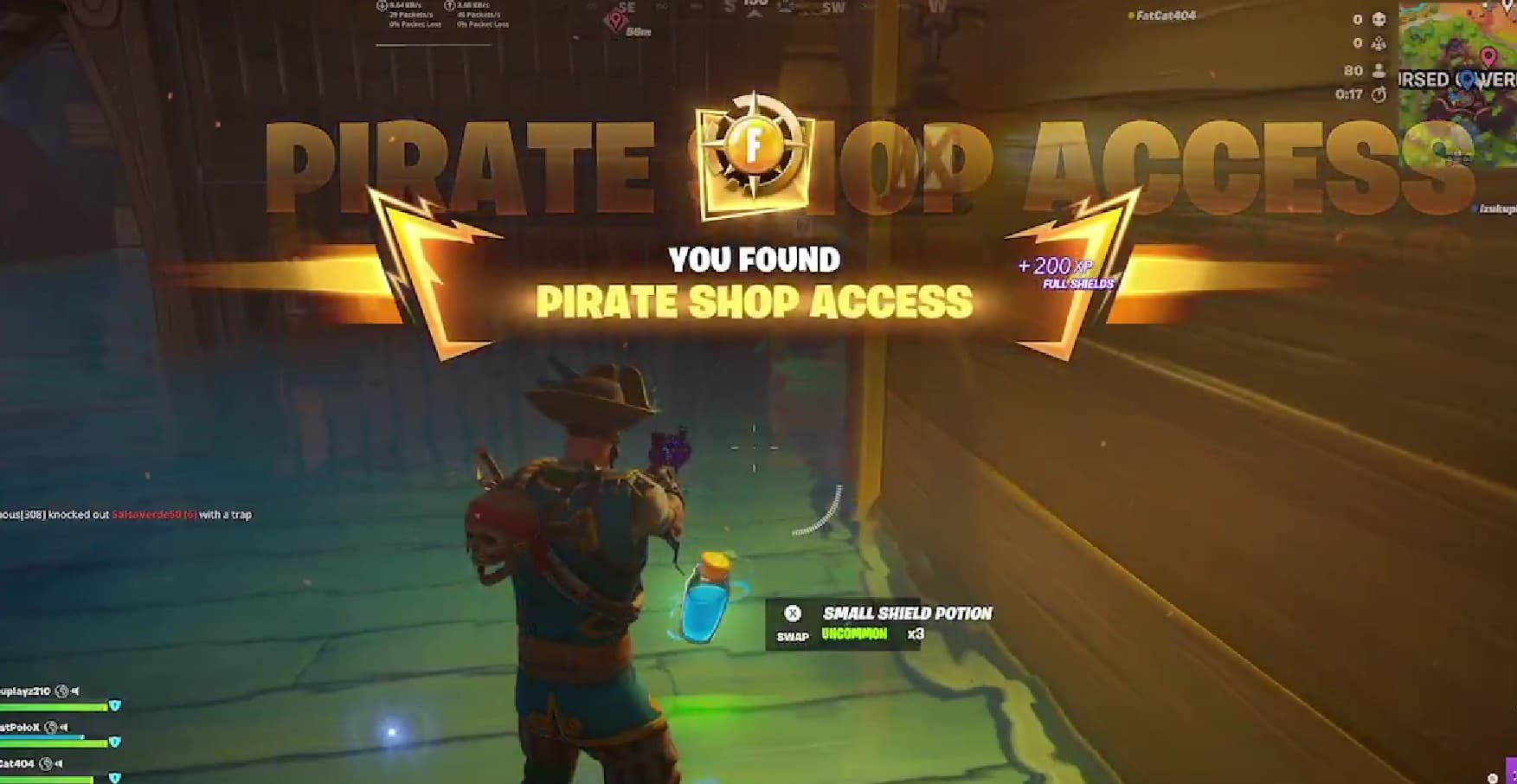
Fortnite Treasure Hunters just launched. A new Pirate Token lets players unlock free items and makes the Shop completely free. Let’s recap.

Fortnite has reversed its extension to the LEGO Pass and Music Pass after backlash. Epic also announced new pass dates for both modes.