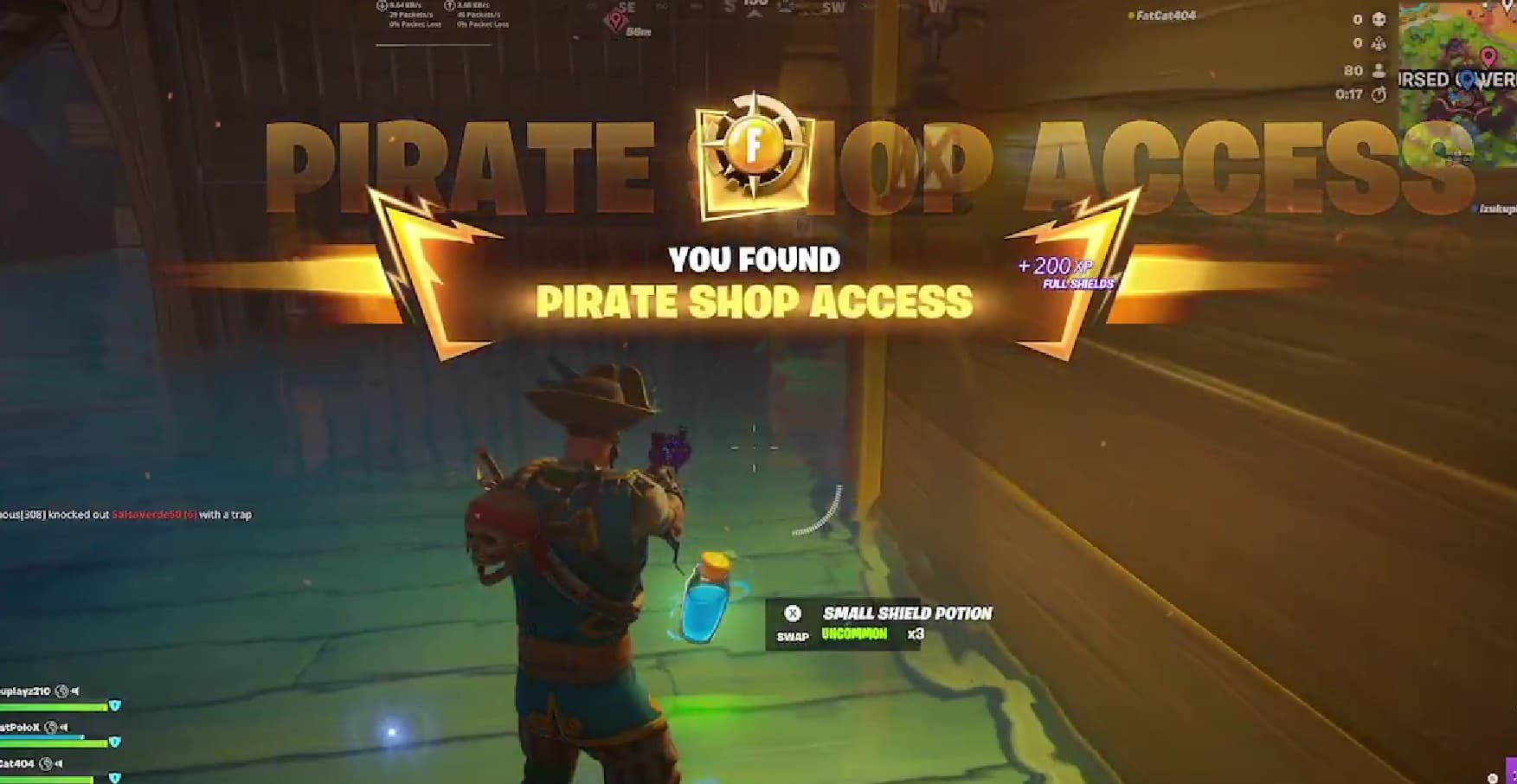
Most people only think about stream delay when it spoils something. A score notification lands on your phone, or a friend watching on a different app starts celebrating, and the round still hasn’t finished on your screen. On a standard live stream that gap can easily be 20 or 30 seconds. Low latency streaming exists to shrink it. Most of the big platforms now offer some version of it.
The delay comes from a few steps between the camera and your screen, and each one adds a bit.
Where the 30 seconds come from
Engineers call it glass-to-glass latency: the time from light hitting the camera lens to that same frame showing up on your display. First, an encoder compresses the video. A packager then chops it into segments, small video files a few seconds long. A content delivery network copies those files to servers around the world, and finally your player downloads them.
The player doesn’t start right away. It builds a buffer first, so a short hiccup in your Wi-Fi doesn’t freeze the picture. Classic HTTP Live Streaming, which Apple introduced in 2009, used segments of six to ten seconds. Most players waited for about three of them before playback began. Add encoding and CDN time and you end up somewhere between 20 and 40 seconds behind the action.
That doesn’t matter much if you’re watching a film. During a CS2 final, it means Twitter can tell you who won the round before you’ve seen it.
Smaller pieces: the first step toward low latency streaming
The obvious fix was to make the pieces smaller. Apple announced Low-Latency HLS at WWDC in June 2019, with a target of one to two seconds of delay at scale over the public internet. It splits each segment into partial segments, often around a third of a second long, and lets the player ask for a part before the server has finished writing it. Apple’s Low-Latency HLS documentation goes through the playlist tags and preload hints if you want the technical side.
The open-standard world took a similar route with low-latency DASH and CMAF chunks. Both keep the main advantage of HTTP streaming: ordinary CDNs can cache the video and serve it to millions of people at once. In practice, low latency streaming on these formats usually lands at around two to five seconds. That’s roughly where traditional TV sits, and it’s fine for most live sport.
There is a cost, though. Smaller parts mean many more requests hitting the servers every second, and the player has less buffer to cover a slow connection. A broadcaster with lots of viewers on mobile networks will often run a bit slower on purpose, because a stable picture three seconds behind is better than one that stutters at one second.
Sub-second low latency streaming and what it costs
Getting below one second needs a different tool. WebRTC was built for video calls, where a two-second lag would make normal conversation impossible. It skips segments altogether and sends a continuous flow of packets, usually over UDP, with very little buffering. Glass-to-glass delay can drop under half a second.
For low latency streaming at that level, the problem is scale. A CDN can hand the same HLS file to a million people without much effort. WebRTC needs media servers holding a live connection to every viewer, which costs more and gets harder to manage as the audience grows. Picture quality can dip as well, since the player has almost no buffer to hide network problems behind.
Still, some businesses are happy to pay for that. Live dealer studios run casino tables streamed in real time, for example, since a player placing a bet has to see the card or the roulette ball at the same moment as the dealer. Online auctions and in-play betting apps have the same problem. If people are placing bets on what they see, a delay of a few seconds isn’t acceptable.
Why esports often adds delay on purpose
Esports organisers could run much faster broadcasts than they do, and often they simply choose not to. After all, a CS2 feed shows player positions, utility and economy. If a team could watch that in real time, it would know exactly where its opponents were standing. The community calls this stream sniping, and it has caused real controversies at online events.
So tournaments add a deliberate broadcast delay on top of the technical one, even when their low latency streaming setup could go faster. How long that delay is depends on the event and the stage, and the organiser sets it based on its integrity rules. For viewers, it means the lag on a big CS2 stream is partly a policy decision. A sub-second pipeline wouldn’t change much if the organiser holds the feed back anyway.
It’s also why live score apps sometimes run ahead of the video. Stats travel as tiny bits of text, while video is heavy and buffered. If you watch a match from our live esports streams page with a scoreboard open in another tab, don’t be surprised when the numbers change first.
What you can do on your end
There’s nothing you can do about a tournament’s integrity delay. You can trim the part that happens on your side, though. On Twitch, check that low latency mode is switched on in the player settings. A wired connection also helps if your Wi-Fi drops often. A weak signal makes the player build a bigger buffer. And if you pause, hit the jump-to-live button when you come back, or you’ll watch the rest of the series a minute behind everyone else.
The simplest fix is to mute score alerts during a series. Most spoilers come through your phone or a group chat, not the stream itself. Also, check your smart TV app, as some of them default to standard latency to cut down on buffering.
Where low latency streaming goes next
There’s also new tech in the works. The IETF has a working group on Media over QUIC, a set of protocols that aims to combine the low delay of WebRTC with the reach of CDN delivery. If it works the way people hope, broadcasters could reach millions of viewers at around a second of delay without running expensive real-time servers for each one.
For esports, that would bring streams much closer to real time, apart from the integrity delay. It’s still early days, though, and I wouldn’t expect to see it on Twitch any time soon.