PUBG Mobile Esports Has Quietly Built One of the Largest Competitive Scenes in Gaming
Regional leagues across South Asia, Southeast Asia, the Middle East and Latin America pull viewing figures that plenty of PC titles never touch, yet PUBG Mobile esports still gets covered as a curiosity. A look at how the circuit is structured, why placement points reward patience, and where the talent comes from.

PUBG Mobile Esports Has Quietly Built One of the Largest Competitive Scenes in Gaming
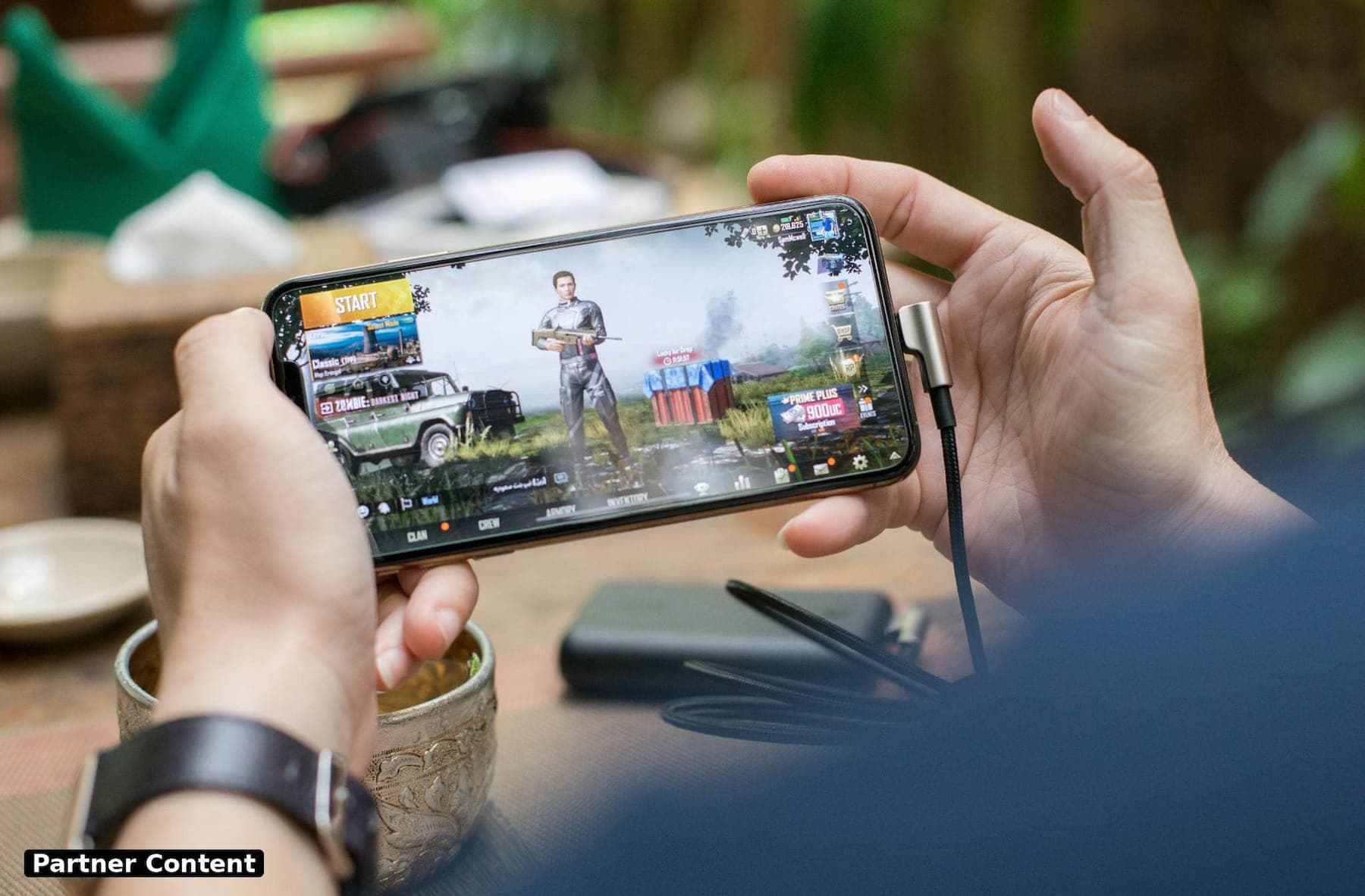
Western coverage of mobile esports tends to be dismissive, which says more about the coverage than the scene. PUBG Mobile runs a global competitive circuit. Regional leagues cover South Asia, Southeast Asia, the Middle East, and Latin America. Viewership in those regions dwarfs plenty of PC titles that get far more column inches.
The format explains part of the appeal. Sixteen teams, four players each, several maps in one match day. Points build up across a series instead of being decided in a single round.
Battle royale scoring rewards the long game
A team can win a match and lose a tournament. Placement points accumulate across every game in a stage, which means consistency outranks highlight moments. Squads that rotate early and hold quiet compounds can out-place teams with better aim, since they take fights only when the zone forces them.
That produces a specific kind of viewing. The tension builds across a day rather than a round, and the leaderboard ends up telling a story that individual kills do not. Anyone who has watched a full match day understands why the regional finals draw the numbers they do.
Where the talent comes from
Mobile lowers the entry barrier in a way PC never has. A competitive player needs a phone and a connection, not a desk, a monitor, and a peripheral budget. Regions with limited PC infrastructure produce world-class rosters because the hardware requirement is something most households already own.
That has shifted the map of competitive gaming. Teams from Pakistan, Indonesia, Mongolia, and Brazil compete at the top of the global circuit. Their domestic scenes support full-time organisations. The sponsorship structures look like any other esport.
Thumb control is a real skill ceiling
Skeptics assume touch controls flatten the skill gap. Watch a professional player run four-finger or six-finger claw and that argument collapses. Camera control, movement, recoil compensation, and item management all happen simultaneously across a screen the player’s hands are covering.
Gyroscope aiming adds another layer. The best players use device motion for recoil control while their thumbs handle everything else, and that coordination takes years to build.
The currency side
Competitive play and cosmetic spending overlap heavily in this scene. Skins, emotes, and battle passes all run on Unknown Cash. Players buy it in bulk during major events, when the crate rotations bring in the sets they want.
Regional pricing makes this uneven, and top-up options vary considerably by market. Plenty of players go through third-party platforms to buy uc at rates their local store does not offer. External marketplaces handle a share of that traffic. The standard caution applies. Confirm how the credit reaches your account. Look at the seller’s history. Treat outlier pricing as a question rather than a bargain.
What the scene needs next
Discovery is the third. A viewer in Europe can top up through a global marketplace like Eldorado in two minutes, while finding out when the next regional final starts takes considerably longer.
Two other things stand out. The first is consistent international scheduling, so casual viewers can follow a season without tracking six regional calendars. The second is English-language production that matches what already exists in Hindi, Portuguese, and Arabic. The talent in those languages does better work than most Western viewers know.
The audience is already there. The circuit already runs. The gap is discovery, and it closes the first time a major final gets covered as sport rather than as a curiosity.
Coaching has become the difference
Top rosters now run coaching staff who work from vantage points across the map and call rotations in real time. Zone prediction and vehicle timing come from a voice that sees more than any player does. The same goes for the call to contest or concede a compound.
Watch a professional match with the observer following one squad and the structure appears. Players hold position without firing while their coach reads the next circle. The best teams look passive for long stretches, then arrive in the final zone with full resources and better ground than anyone else.
That layer is invisible to casual viewers, and it is where most matches are decided.
Worth watching
Start with a regional final rather than a group stage. The stakes are legible, the casting is sharper, and the format makes sense within one viewing. Then pick a team and follow them through a season, because battle royale viewing improves once you know who is likely to rotate where.