
 CS2
Is This Cheating? New Razer Mouse Has a 180 Spin Button and AI Button
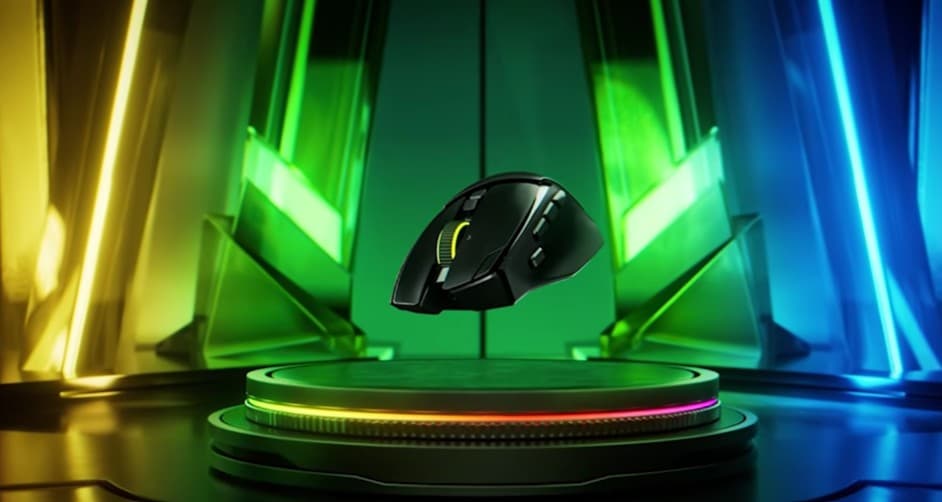
The new Razer Basilisk mouse has a perfect 180 spin button for FPS games and an AI button. Does it count as esports cheating?
10 Oct 20263 min
CS2Counter-StrikeThe UK government wants to block in-game voice chat for gamers under 16. See how it could affect CS2, VALORANT and other online games.
The UK government is planning to officially restrict in-game voice chat for players under 16.
The UK (United Kingdom) government is planning to officially restrict in-game voice chat for players under 16, and the rules will apply to games in general, including esports titles like VALORANT, CS2, League of Legends, Dota 2 and more. Under-16s would still be able to join matchmaking and play alongside unknown players, but they would not be able to talk to those strangers through voice or text chat. Here’s everything we know so far about this upcoming law.
The policy was first set out in June 2026 by then-Secretary of State Liz Kendall and Prime Minister Keir Starmer. It committed to banning communication with strangers, including in gaming, alongside restrictions on livestreaming.
On 2 November 2026, the House of Commons debated a petition signed by more than 217,000 people opposing the under-16 social media ban. During that debate, Online Safety Minister Ian Murray confirmed the UK government wants to go ahead with the gaming measures, including the restriction of the voice chat feature.
Murray called stranger communication “the biggest problem with Roblox”. He said the regulations would let gamers keep stranger pairing but without the ability to talk to strangers in a gaming context. He also linked the restriction to evidence that harm often begins in games and then moves to other platforms, where grooming and exploitation can continue.
The government describes its approach as “Australia-plus”. It follows the core of Australia’s under-16 social media restrictions, then adds extra controls on high-risk features on other services, including gaming platforms.
Officials define “communicating with strangers” as ways for unknown users to contact and talk with children, including on gaming services.
The government has also said the rules do not aim to stop children from playing games, using educational content, or staying in touch with known friends and family through messaging services. Those services fall outside the social media ban.
Authorities will not monitor individual players in real time. The legal duty would fall on the platforms, meaning game publishers, developers or the services running the chat features. They would have to use highly effective age assurance before allowing access to restricted features.
Ofcom, the UK regulator, has published an assessment naming four methods that can currently work well enough to tell whether someone is 16 or over:
The plans target talking to strangers on gaming services in general, not specific genres or titles. Esports games would be affected as a result.
As mentioned earlier, in practice, a UK player under 16 could still join a ranked match in Counter-Strike 2, VALORANT or League of Legends and play with unknown teammates and opponents. Matchmaking would work as it does now. What would be blocked is voice chat, text chat and similar tools with those strangers.
Chatting with people a player already knows, such as friends or party members, may stay available. That depends on how each platform applies the rules. Third-party services such as FACEIT could face the same questions if they fall within the scope of the upcoming regulations.
The first regulations, covering the social media ban itself, are expected to go before Parliament by the end of 2026 and take effect in spring 2027. The rules on features such as stranger communication in games will follow later. Their implementation dates, scope, enforcement and technical requirements are still to be decided.
CS2The new Razer Basilisk mouse has a perfect 180 spin button for FPS games and an AI button. Does it count as esports cheating?
 CS2
Team Vitality founder and CEO Neo has spoken out after the V.Hive HQ in Paris, France was vandalized, and thieves stole trophies and PCs.
 CS2
Here’s everything CS2 esports fans should know about fl0m’s iBUYPOWER Masters FML 2026, including its teams, format, and how to watch.