

 Dota2
Dota2Team Spirit Win The International 2026 After Losing to TEAM VISION Twice
Team Spirit beat TEAM VISION 3-2 to win The International 2026 and claim a record third Aegis. Here is the run and the full results.
27 Aug 20265 min
Dota 2TOURNAMENTThe International 2026 prize pool starts at $1.6M with TI 15 returning to Shanghai August 13-23. Oriental Sports Center hosts. The compressed format, qualifiers, and what’s at stake.
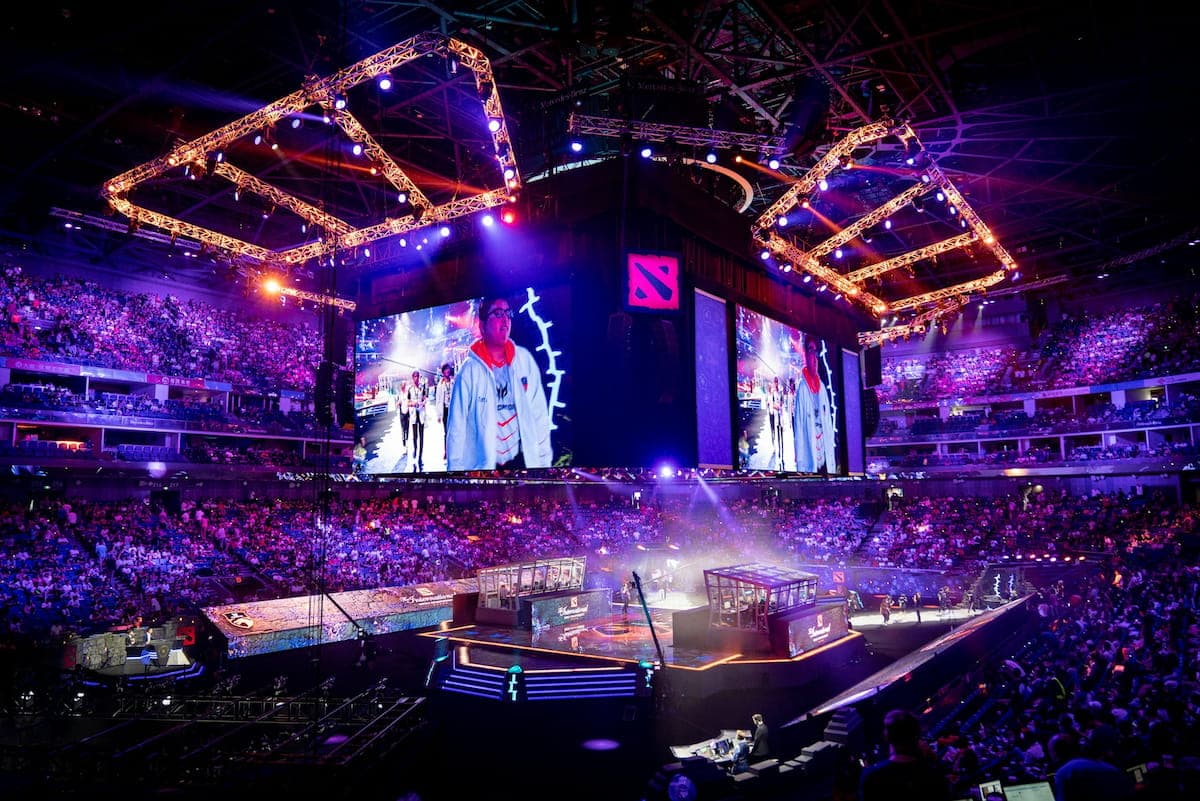
The International 2026 prize pool starts at $1.6M with the main event at Shanghai’s Oriental Sports Center.
The International 2026 prize pool starts at $1,600,000. That’s the fourth year in a row Valve has stuck with that base number. The dates are August 13 to August 23, and TI is back in Shanghai for the first time since 2019. Venue: Oriental Sports Center. Battle Pass sales will likely push the total higher before the event starts. How much higher is anyone’s guess at this point.
Worth saying out loud: $1.6 million as a base feels small compared to the $40 million that TI 2021 ended up with. That number isn’t coming back. Whether you think that’s the death of TI or just the new normal mostly depends on how you’ve felt about Valve’s Dota 2 priorities lately.
The International 2026 – Location Announcement (official Dota 2 channel)
| TI 2026 Quick Facts ▸ Dates: August 13-23, 2026 ▸ Location: Oriental Sports Center, Shanghai, China ▸ Base prize pool: $1,600,000 USD ▸ Format: Swiss-style group stage + double-elimination main event ▸ Number of teams: 16 (direct invites + regional qualifiers) ▸ Open Qualifiers: June 9-12, 2026▸ Regional Qualifiers: June 15-28, 2026 |
Returning to Shanghai is a big deal for older Dota fans. The 2019 edition was where OG won their second TI in a row, beating Team Liquid in the final. That grand final is still one of the most rewatched games in Dota history. There’s a weird timing layer to that memory: it was the last big international esports event before COVID-19 hit. Going back to that arena six years later carries some baggage, even if it’s mostly just nostalgic.
TI 2026 splits into two phases. “Road to The International” runs August 13-16, where sixteen teams play through a Swiss-style group stage. Only the top eight advance to the actual main event, August 20-23 at Oriental Sports Center.
Compared to older TIs, this is tighter. The main event used to take a full week and feel like a marathon for both players and fans. Now it’s eight teams over four days. Sounds great if you’re a viewer who wants pure intensity. Considerably less great if you’re a player with no breathing room between matches. The Dota 2 matches hub tracks every fixture as the Swiss bracket fills out.
The community used to drive TI prize pools higher through Battle Pass spending. In 2021 that pushed the total past $40 million. Genuinely absurd at the time and still is. By 2025, community contributions came in at around $1.2 million on top of the base. The total prize pool ended up at roughly $2.8 million. That’s a steep decline by any reasonable measure.
People have theories. The Battle Pass model isn’t as attractive as it used to be. Players can just buy the specific cosmetics they actually want. Some of the magic of “chipping in to support TI” wore off too. Valve quietly stopped releasing major Battle Passes between 2022 and 2024. Whatever the exact mix of reasons, the days of prize pool tracking being a daily community ritual seem genuinely gone.
There’s an angle to TI 2026 that nobody saw coming a year ago. Kim “Doinb” Tae-sang, League of Legends World Champion in 2019, confirmed he’s entering the open qualifiers. Whether he actually makes it through is a different question, but the attempt itself is genuinely fun. LoL champions don’t usually try to switch to Dota.
He’s reportedly hit 8,200 MMR after a serious grind on the ranked ladder. That’s solid – upper Immortal territory. But it’s still a long way from where most pro Dota players actually live (12,000+ MMR). Realistically he isn’t advancing past the open bracket. Most analysts have said as much. Doesn’t really matter. The story is the attempt.
The Chinese Dota 2 scene has been through a rough few years. Several major orgs have either shut down their divisions or quietly downsized them. TI 2025 looked like a small turnaround moment. Xtreme Gaming finished the group stage 4-0 and were one team away from the Aegis. Then Team Tidebound, who also reached the main event, disbanded their Dota 2 division shortly after. So, you know, mixed signals.
TI returning to Shanghai feels like Valve at least acknowledging that the region still matters. Local fans get a home event. Chinese teams skip a brutal travel day. And Valve gets to plant a flag in a market that still represents real player numbers. Whether that actually leads to renewed investment from Chinese orgs is a much longer-term question.
Official streams are on Twitch, YouTube, and Facebook, plus DouYu, Huya, and Bilibili for Chinese viewers. Same standard global setup as previous TIs.
If you’re a casual fan, co-streams from established Dota creators are usually the best way to watch. You get analysis as the games unfold. The chat experience tends to be a lot more fun than the official feed. For diehards who don’t want any commentary delay, the main stream is the move. Either way, plan to lose a weekend in late August. For broader Dota 2 news and patch coverage, the related guides track meta shifts heading into TI.
TI 2026 won’t be the biggest or most expensive TI ever. That much is just true. But the format compression, the Shanghai venue, the weird Doinb storyline, and the steady return of Chinese teams to relevance all add up to something. It’s an event that’s genuinely interesting to follow. The prize pool number isn’t the historical peak. The moments still might be.
If you’re casually planning summer viewing, August 13-23 is the window to mark on the calendar. If you’re tracking team form more seriously, June’s open and regional qualifiers are where the early signals show up. Spirit, Tundra, Falcons and Liquid are the teams most expected to lock direct invites based on current rankings. The qualifier path always produces at least one team nobody saw coming.
TI 2026 is a 16-team field. The split between direct invites and qualifier slots hasn’t been fully announced. If past TIs are any guide, expect direct invites to go to teams with strong showings at the year’s biggest events. Those include Esports World Cup 2026, ESL One, BLAST Slam, and the PGL Wallachia series. As mentioned, Spirit, Tundra, Falcons and Liquid are sitting comfortably for now.
Regional qualifiers run June 15-28 across Western Europe, Eastern Europe, China, Southeast Asia, North America, and South America. The Chinese qualifier carries extra weight this year. Both because Shanghai is hosting and because Chinese teams have something to prove. Those matches usually pull higher viewership than equivalent regionals in other parts of the year. 2026 should be no different.
TI carries weight beyond its prize pool. It’s the event that defines a Dota year. It’s where reputations either get cemented or quietly fade. The Aegis ends up on every winning player’s resume forever. Even at $1.6 million base, lifting it still means more in pro Dota than winning any other event. That’s exactly why the field always shows up. It’s also why Doinb’s open qualifier attempt has captured so much attention, even though the realistic odds aren’t great.
Dota2Team Spirit beat TEAM VISION 3-2 to win The International 2026 and claim a record third Aegis. Here is the run and the full results.
 Dota2
Dota2Team Spirit has defeated Team Vision to claim victory at The International 2026, becoming the first team to win three TI titles.
 Dota2
Dota2The International 2026 playoffs open in Shanghai with four quarterfinals. Here is the full bracket, CEST times and the storylines that decide the Aegis.